

Advanced Cataract Evaluation and Co-Management
If you’re experiencing cloudy vision, faded colors, or increased glare, cataracts may be the underlying cause, and a comprehensive evaluation can help assess your eye health and guide your treatment options.
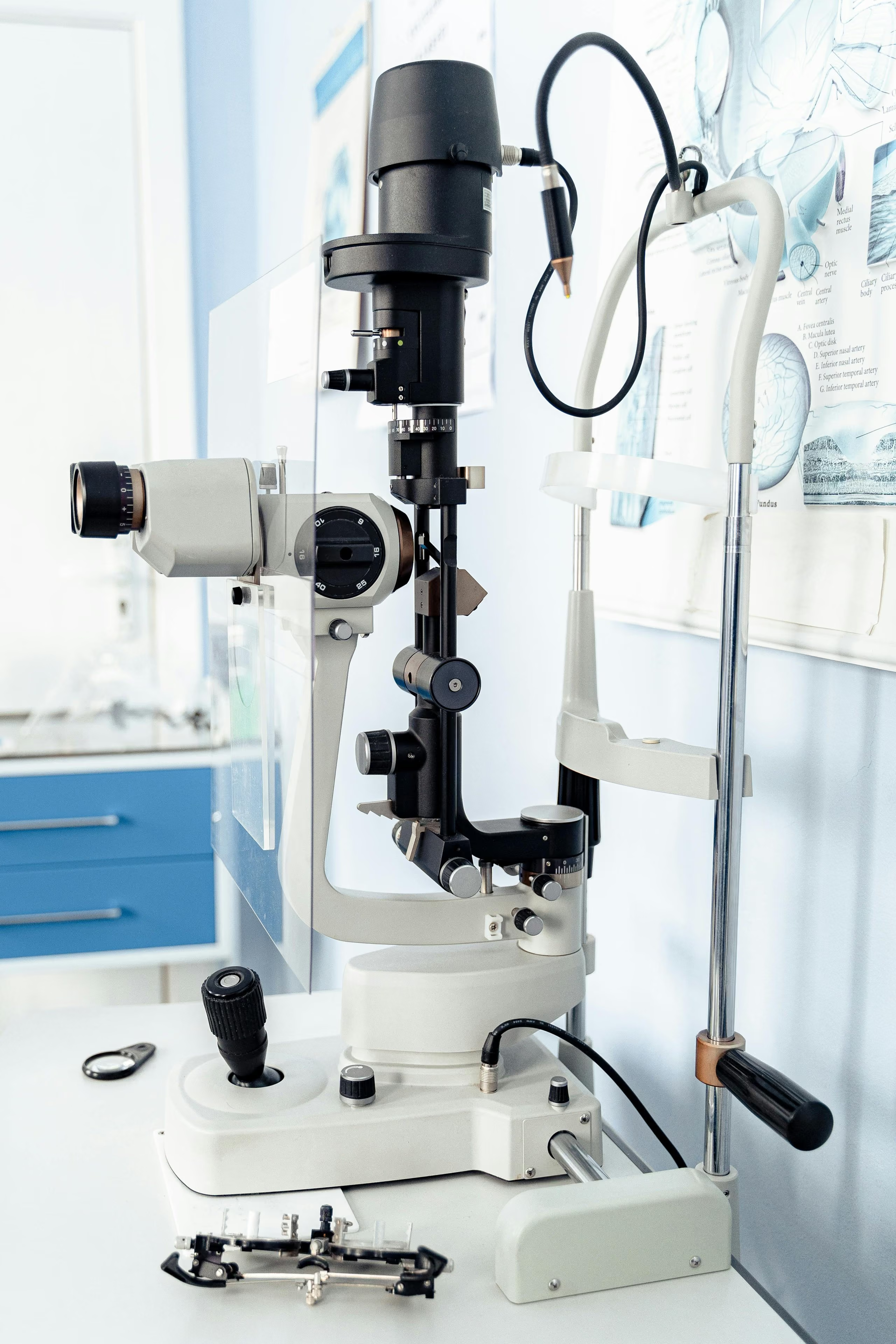
Understanding Cataracts
A cataract is a clouding of the eye’s natural lens, located just behind the pupil, that can lead to blurry vision, glare, and difficulty seeing clearly. In a healthy eye, the lens remains transparent, allowing light to pass through and focus precisely on the retina. With cataracts, proteins in the lens gradually break down and clump together, causing the lens to become cloudy and scatter light instead of focusing it properly.
Cataracts are one of the most common age-related eye conditions and a leading cause of vision changes in adults over 40. They typically develop slowly and can affect daily activities such as reading, driving, and seeing at night. The good news is that cataracts are highly treatable. With regular cataract evaluations, proper monitoring, and timely referral for cataract surgery, most patients experience significant improvement in vision and quality of life.
Contributing Factors to Cataracts
While aging is the most common cause of cataracts, certain health conditions and lifestyle factors may increase your risk of developing them.
Aging
Age is the most significant risk factor for cataract development. As individuals get older, the proteins in the lens naturally deteriorate, leading to gradual clouding. Cataracts are especially common in adults over the age of 60, though early changes may begin much sooner.
UV exposure
Long-term exposure to ultraviolet (UV) light from the sun can accelerate changes in the eye’s lens. Wearing sunglasses with UV protection can help reduce this risk over time.
Smoking
Smoking is associated with an increased risk of cataracts due to higher levels of oxidative stress in the body. These oxidative changes can damage proteins in the lens, contributing to earlier clouding and vision changes.
Diabetes
Individuals with diabetes are at higher risk for cataract development, as elevated blood sugar levels can affect the clarity of the eye’s lens. Other systemic health conditions may also contribute to earlier onset or more rapid progression of cataracts.
Eye injury or trauma
Previous eye injuries can disrupt the structure of the lens and lead to the development of traumatic cataracts. In some cases, cataracts may form months or even years after the initial injury.
Long-term steroid use
Long-term use of corticosteroid medications, including oral, inhaled, or ophthalmic forms, has been linked to an increased risk of cataract formation. Prolonged steroid exposure may contribute to the development of posterior subcapsular cataracts, which can affect vision earlier and more significantly than age-related cataracts.
Family history
A family history of cataracts may increase an individual’s risk of developing the condition. Genetic factors can influence how the lens changes over time and may contribute to earlier onset in some patients.
Excess Alcohol Consumption
Long-term excessive alcohol use has been associated with an increased risk of cataracts. This is thought to be related to oxidative stress and nutritional deficiencies that can affect lens health over time.
Signs that cataracts may be developing
Cataracts can cause a range of vision changes that typically develop gradually and may worsen over time if left untreated. Since these changes often occur slowly, they often go unnoticed. Recognizing these early changes can help ensure timely evaluation and treatment.
Cloudy or Blurry Vision
Vision may appear hazy or less sharp, as if looking through a foggy or dirty window. This often develops gradually and can affect both near and distance vision.
Increased Glare, Halos, and Light Sensitivity
Bright lights, sunlight, or headlights at night may feel more uncomfortable, and glare can make it harder to see clearly, especially when driving at night.
Faded or Dull Colors
Colors may begin to look less vibrant or slightly yellowed over time, making it harder to distinguish contrasts between shades.
Difficulty Seeing at Night
Vision in low-light conditions may become more challenging, making activities like nighttime driving or moving through dimly lit spaces more difficult.
Comprehensive Cataract Consultation
Cataracts develop gradually and can impact how clearly you see over time. A detailed eye exam helps determine the presence and progression of cataracts. Below is a simple overview of the evaluation process.
Comprehensive Eye Exam
A cataract evaluation begins with a comprehensive eye exam to assess overall vision and eye health. This includes checking visual acuity, evaluating how vision is affecting daily activities, and discussing any symptoms such as blurry vision, glare, or difficulty seeing at night.
Specialized Diagnostic Testing
Advanced diagnostic testing is performed to evaluate the clarity of the lens and the overall structure of the eye. This may include pupil dilation and additional imaging to determine the presence, type, and severity of cataracts.
Monitoring and Treatment Planning
If cataracts are in the early stages, the condition may be monitored over time with regular comprehensive eye exams as part of ongoing cataract care and treatment planning. When cataracts begin to interfere with daily activities and vision quality, a personalized cataract treatment plan is developed to determine whether cataract surgery is the most appropriate next step based on visual needs, lifestyle, and overall eye health. When cataract surgery is recommended, a referral is made for cataract surgery and lens replacement to one of our trusted ophthalmologists to ensure patients receive advanced surgical care and optimal visual outcomes.
Cataract Surgery and Follow-Up Care
During cataract surgery, the cloudy natural lens is removed and replaced with a clear intraocular lens (IOL) to restore vision and improve visual clarity. Following cataract surgery, patients return for follow-up appointments with our team to monitor healing, evaluate visual outcomes, and ensure optimal recovery as part of ongoing cataract care. If cataract surgery is performed on only one eye, the other eye will be closely monitored over time for any progression of cataracts or changes in vision.
Frequently Asked Questions (FAQs)
Learn what you need to know about cataract development and care.
A cataract consultation includes many of the same elements as a comprehensive eye exam, but it is more focused and in-depth when cataracts are suspected or already present. During a routine eye exam, the primary goal is to check overall vision and eye health, update prescriptions, and screen for common eye conditions. A cataract consultation goes further by specifically evaluating the clarity of the natural lens, determining how much cataracts are affecting vision, and discussing whether monitoring or cataract surgery may be needed in the future. In short, a cataract consultation includes a full eye exam, but adds targeted testing, cataract evaluation, and treatment planning based on visual needs and lifestyle.
Not all cataracts require surgery right away. In the early stages, cataracts are often monitored with regular eye exams if vision is still clear and daily activities are not affected. Cataract surgery is typically recommended when vision changes begin to interfere with everyday tasks such as reading, driving, or working.
Cataracts cannot come back after surgery because the natural lens is completely removed and replaced with an artificial intraocular lens (IOL). However, some patients may develop a common condition called posterior capsule opacification (PCO), which can cause similar symptoms but is easily treated with a quick, painless laser procedure.
Many patients still need glasses after cataract surgery, especially for reading or fine detail work. However, depending on the type of intraocular lens selected, some patients may experience reduced dependence on glasses for certain activities.
In the early stages, cataracts may be managed temporarily with updated glasses, brighter lighting, or changes in daily habits. However, these options do not stop cataracts from progressing. The only permanent treatment for cataracts is surgery, where the cloudy lens is replaced with a clear artificial lens to restore vision.
In most cases, cataract evaluations are covered by medical insurance, including Medicare and many private insurance plans. Since cataracts are considered a medical eye condition, the visit is typically billed as a medical eye exam rather than a routine vision exam. Our staff will also help review your insurance benefits and determine any expected out-of-pocket costs prior to your visit so you know what to expect.
Early detection can protect your vision
Schedule a cataract evaluation early to help protect your vision and prevent cataracts from interfering with daily activities.