

Retinal Health & Imaging
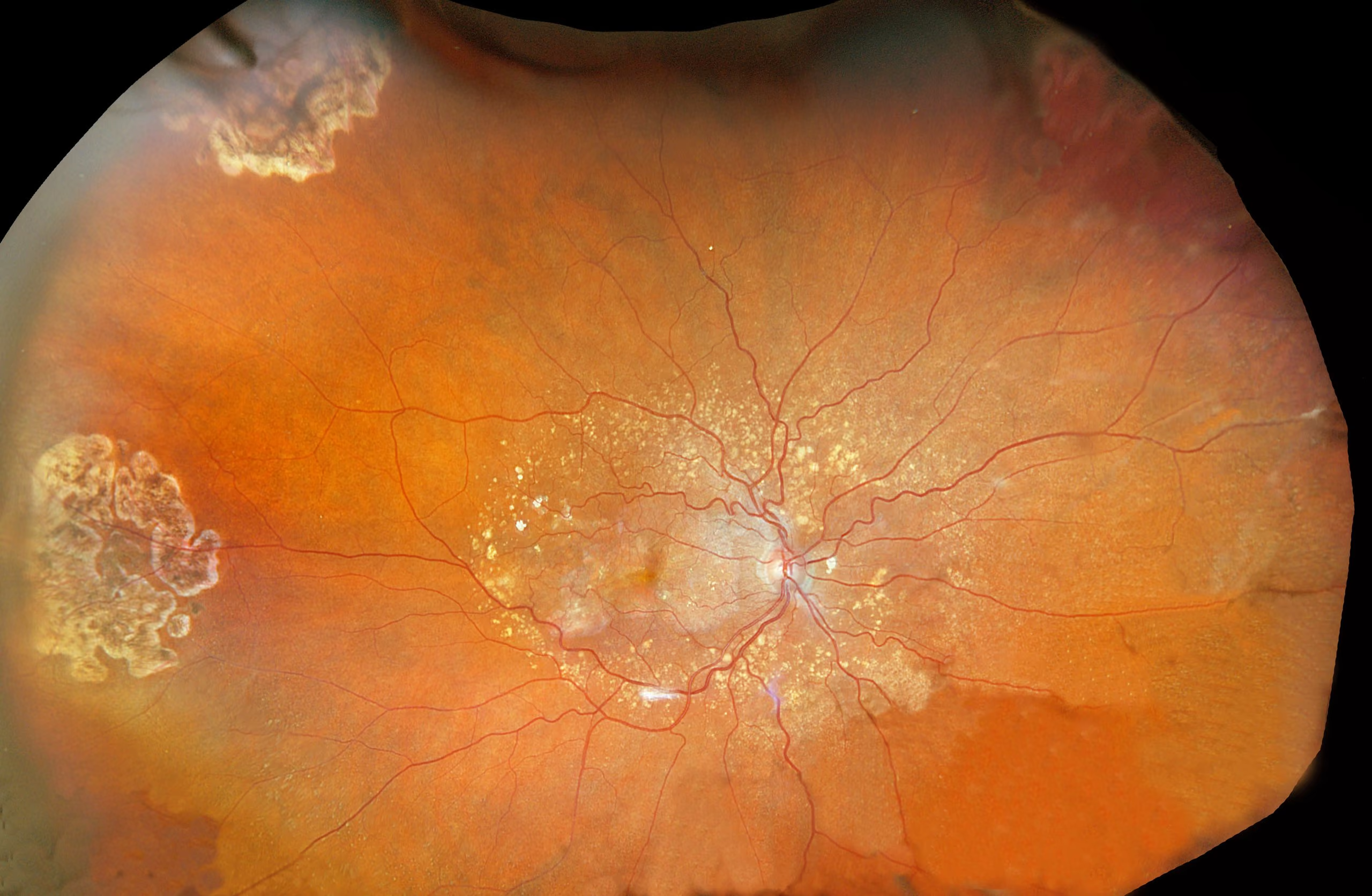
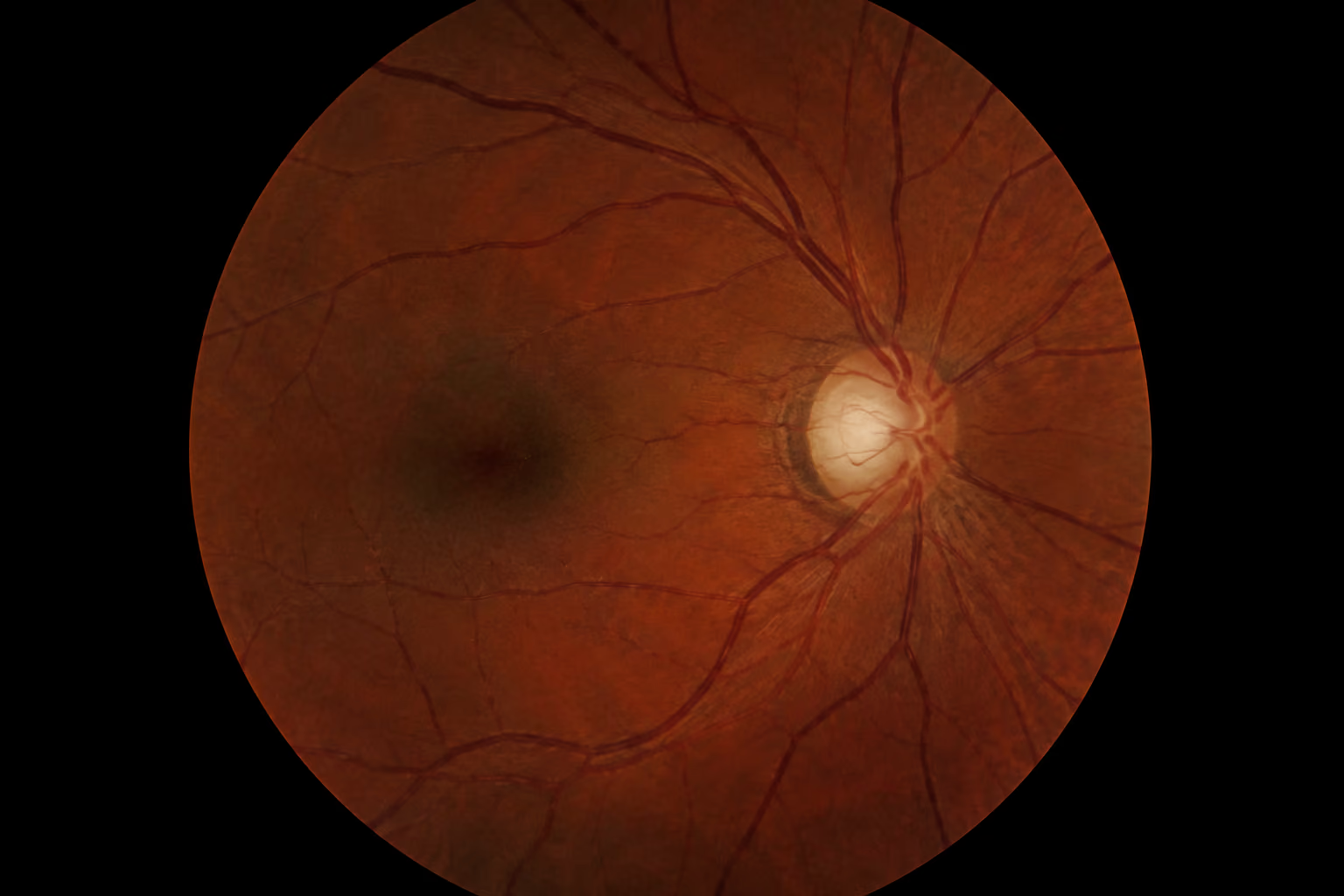
Using advanced retinal imaging technology, we are able to capture detailed views of the retina to support early detection, diagnosis, and management of eye disease.
Importance of Retinal Health
The retina plays a central role in vision by converting light into signals that the brain interprets as images. It is essential for clear, functional sight, and even small changes in retinal health can significantly impact visual quality.
Many retinal diseases develop gradually without noticeable symptoms in the early stages, allowing damage to progress before vision changes are detected. Routine retinal imaging and evaluation are important for identifying concerns early and protecting long-term vision. Early detection can help slow or prevent progression of many retinal conditions before permanent vision loss occurs.
Retinal health is also closely connected to overall systemic health. Conditions such as diabetes and hypertension can show early signs in the retina, making regular evaluation an important part of comprehensive preventive eye care.
Advanced Retinal Imaging for Early Detection
High-Resolution Imaging
Captures detailed images of the retina and surrounding structures.
Early Disease Detection
Helps identify eye conditions before symptoms appear.
Baseline Comparison
Provides reference images for future exams and progression tracking.
Non-Invasive & Quick
A fast, comfortable imaging process with no discomfort.
Advanced imaging that sees what the eye cannot
Optomap ultra-widefield retinal imaging captures 200 degrees of your retina in seconds, revealing disease long before symptoms appear. This technology transforms how we detect and manage conditions that threaten your sight.
Captures detailed images of the retina and surrounding structures.
Sees disease progression invisible to the naked eye
Tracks changes in eye health over time for better management.
Helps identify eye conditions before symptoms appear.
Eliminates need for dilation in most cases
Fast, comfortable imaging process with no discomfort.
Protecting Your Vision Through Early Detection
Several eye conditions can develop in the retina, often before noticeable changes in vision occur. Routine retinal evaluation allows your doctor to identify early signs of disease, monitor changes over time, and guide timely treatment when needed as part of a comprehensive eye exam.
Age-Related Macular Degeneration (AMD)
AMD affects the macula, the central part of the retina responsible for sharp, detailed vision. It is a leading cause of vision loss in adults over 50. Early detection through retinal imaging allows your doctor to monitor changes and recommend interventions that may slow progression before central vision is affected.
Diabetic Retinopathy
The leading cause of vision loss in working-age adults, diabetic retinopathy occurs when elevated blood sugar damages the small blood vessels in the retina. In early stages, there are often no symptoms, making regular screening essential for patients with diabetes. When detected early, progression can often be slowed significantly with proper management.
Retinal Tears and Detachments
A retinal tear occurs when the vitreous gel inside the eye pulls on the retina, creating a break in the tissue. If untreated, this can progress to a retinal detachment, a sight-threatening emergency. Symptoms may include a sudden increase in floaters, flashes of light, or a shadow or curtain in the field of vision. Immediate evaluation is necessary if these symptoms occur.
Hypertensive Retinopathy
High blood pressure affects blood vessels throughout the body, including those in the retina. Hypertensive retinopathy occurs when chronic elevation in blood pressure damages retinal blood vessels. Changes are often first detected during a comprehensive eye exam, sometimes before symptoms develop.
Posterior Vitreous Detachment (PVD)
As we age, the vitreous gel inside the eye naturally shrinks and separates from the retina. This is known as a posterior vitreous detachment (PVD) and is very common, often causing new floaters or flashes of light. While a PVD itself is not harmful, it can increase the risk of a retinal tear, making prompt evaluation important to ensure no complications have developed.
Macular Holes and Epiretinal Membranes
These conditions affect the macula and can lead to blurred or distorted central vision. Early detection through retinal imaging allows your doctor to monitor progression closely and discuss treatment options if intervention becomes necessary.
Warning Signs You Should Never Ignore
Most retinal conditions develop without noticeable symptoms in their early stages, making routine retinal imaging an important part of protecting your vision. Certain symptoms, however, may indicate a more serious retinal problem and should never be ignored. Contact our office immediately if you experience:
A sudden increase in floaters or a new floater that appears out of nowhere
Flashes of light, especially in peripheral vision
A dark shadow, veil, or curtain moving across your vision
Sudden blurring or distortion of central vision
Straight lines appearing wavy or bent
A dark or empty spot in the center of your vision that doesn't improve
Frequently Asked Questions (FAQs)
Find answers to questions about retinal imaging and disease management
Retinal imaging uses advanced technology to capture detailed photographs of the back of your eye. These images allow us to detect changes in your retina early, often before you notice any symptoms. It's a painless way to monitor your retinal health over time.
Optomap significantly expands what your doctor can see and reduces the need for dilation in many routine cases. However, there are situations where dilation is still necessary for a complete evaluation. Your doctor will recommend the approach that gives the most thorough view of your retinal health.
Yes. Retinal imaging is a safe, non-invasive procedure that uses light to capture detailed images of the retina. There is no radiation, and the test is suitable for patients of all ages.
Retinal imaging is recommended for most patients during routine comprehensive eye exams. It is especially important for people with diabetes, high blood pressure, high myopia, a family history of eye disease, or anyone experiencing new vision changes.
Yes. Many retinal diseases, including diabetic retinopathy, glaucoma, and macular degeneration, can develop without noticeable symptoms. Retinal imaging helps identify these conditions in their earliest stages.
Most insurance plans cover retinal imaging when medically necessary. We'll verify your coverage before your appointment and discuss any out-of-pocket costs. Our team handles the insurance details so you don't have to worry.
Protect your vision today
Take a proactive approach to your eye health with retinal imaging.