

Dry Eye Evaluations & Treatments
Dry eye disease is one of the most common yet frequently overlooked eye conditions, often affecting vision, comfort, and quality of life. At Silo Eye Care, we are committed to advanced dry eye diagnostics and personalized treatment plans that address the underlying causes of your symptoms, helping you achieve lasting relief and healthier, more comfortable eyes.

Understanding Dry Eye Disease
Dry Eyes are a multifaceted condition that occurs when the eyes don’t produce enough tears or the tears evaporate too quickly, leading to discomfort and sometimes vision problems. Tears are essential for keeping the surface of the eye lubricated, nourishing the eye, and protecting it from infection. When there’s a problem with tear production or tear quality, the eyes can become dry, irritated, and inflamed.
Symptoms of dry eye often worsen with:
Prolonged screen use or digital devices
Dry, windy, or air-conditioned environments
Extended reading or near work
Contact lens wear
End-of-day fatigue
Dry Eye Causes and Risk Factors
Dry eye disease can develop from multiple underlying causes that affect tear production, tear quality, or tear stability. In many patients, more than one factor contributes to symptoms.
Reduced Tear Production
Tear glands may not produce enough tears to keep the eyes properly lubricated. This commonly occurs with aging, hormonal changes, certain medications, or medical conditions such as Sjögren's syndrome.
Poor Tear Quality
Healthy tears contain three essential layers: oil, water, and mucus. When the oil-producing meibomian glands become blocked or do not function properly, tears evaporate more quickly, leading to dryness, irritation, and fluctuating vision.
Excessive Tear Evaporation
Environmental conditions such as dry air, wind, smoke, and air conditioning can cause tears to evaporate too quickly. Spending long hours on computers, tablets, or smartphones also reduces blinking, making symptoms worse.
Medical and Age-Related Risk Factors
Several health conditions can contribute to dry eye disease, including:
- Diabetes
- Rheumatoid arthritis
- Thyroid disease
- Allergies
- Autoimmune disorders
(i.e. Sjögren's syndrome)
- Menopause and other hormonal changes
Contact Lens Wear
Long-term or extended contact lens wear can disrupt the natural tear film and contribute to dryness and discomfort, particularly if lenses are worn for prolonged periods.
Medications
Certain medications may reduce tear production or affect tear quality, including:
- Antihistamines
- Decongestants
- Antidepressants
- Birth control pills
- Some blood pressure
medications
Eye Surgery or Injury
Procedures such as LASIK or cataract surgery, as well as previous eye injuries, may temporarily or permanently affect tear production and tear stability.
Prolonged Screen Time or digital device exposure
Extended screen use and exposure to dry or windy environments can reduce blinking and increase tear evaporation.
Recognizing Dry Eye Symptoms
Dry eye disease can cause persistent discomfort, fluctuating vision, and irritation that interfere with everyday activities. Recognizing the symptoms is the first step toward finding effective treatment.
Dry, Gritty, or Scratchy Eyes
Many people describe a sensation of dryness, irritation, burning, or feeling as though sand or grit is trapped in their eyes.
Eye Fatigue
Reading, driving, or prolonged use of computers, tablets, and smartphones can strain dry eyes, leading to fatigue, discomfort, and difficulty focusing.
Excessive Tearing (Watery Eyes)
Dry eyes can trigger excessive tearing as a reflex response to irritation, but these tears do not provide lasting lubrication.
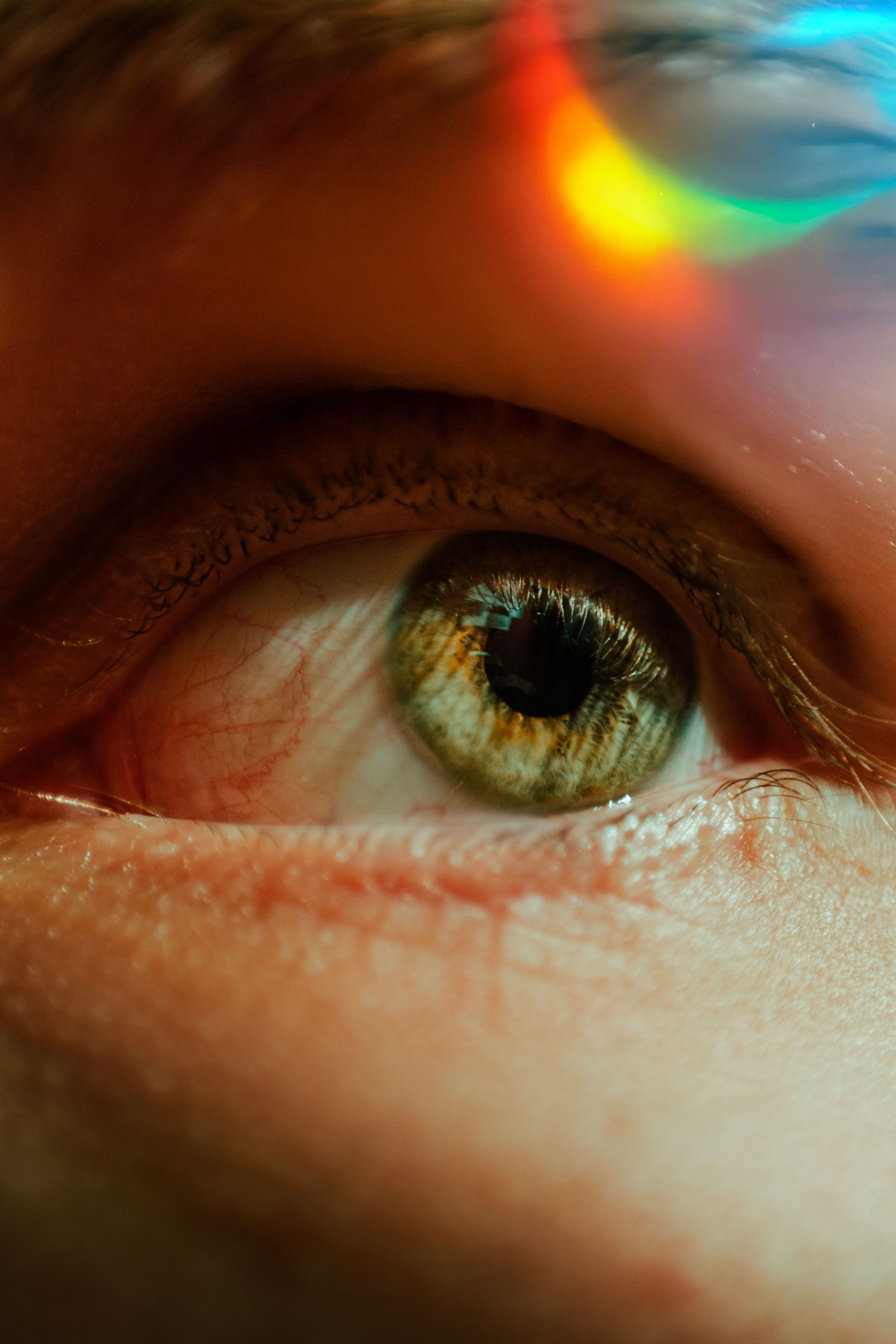
Red or Irritated Eyes
Inflammation and an unstable tear film can cause persistent redness, irritation, and a feeling of eye discomfort.
Blurred or Fluctuating Vision
An unstable tear film can cause vision to become blurry or fluctuate throughout the day. Blinking may temporarily improve vision before symptoms return.
Light Sensitivity
Dry eye disease can make the eyes more sensitive to sunlight, bright indoor lighting, glare, and headlights while driving at night.
Personalized Dry Eye Evaluation
Every case of dry eye disease is unique. Our comprehensive evaluation is designed to identify the underlying causes of your symptoms, not just treat them, so we can develop a customized plan focused on lasting relief, improved comfort, and healthier eyes.
Symptom & Lifestyle Review
A comprehensive review of symptoms, daily habits, screen use, work environment, medications, contact lens wear, medical history, and previous dry eye treatments helps identify potential contributing factors and guides the diagnostic process.
Vision & Prescription Evaluation
A thorough vision assessment helps determine whether an uncorrected refractive error or outdated prescription is contributing to eye strain and visual discomfort. Even small prescription changes can have a meaningful impact on comfort, especially during reading, computer use, and other visually demanding tasks.
Advanced Dry Eye Diagnostics
Advanced imaging and diagnostic technology may be used to evaluate tear quality, tear stability, and ocular surface health. This testing helps determine whether dry eye symptoms are related to reduced tear production, excessive tear evaporation, or tear film imbalance. The meibomian (oil) glands within the eyelids are also assessed for signs of dysfunction as it is a leading cause of evaporative dry eye.
Personalized Treatment Planning
Examination findings are used to develop an individualized treatment plan based on symptom severity, tear film health, and contributing factors. Treatment recommendations focus on improving tear stability, reducing inflammation, restoring eyelid gland function, and supporting long-term ocular surface health.
Frequently Asked Questions (FAQs)
Find answers to common questions about dry eye disease, its causes, symptoms, diagnosis, and treatment options.
Treatment depends on the underlying cause and may include artificial tears, prescription medications, eyelid hygiene, lifestyle modifications, nutritional supplements, in-office procedures, or a combination of therapies. Since no two cases of dry eye are exactly alike, treatment is carefully customized to each patient's unique needs and symptoms. Our providers take the time to understand your goals, daily activities, and eye health to create a treatment plan designed to provide lasting comfort and support long-term ocular surface health.
Dry eye is often a chronic condition that cannot always be permanently cured, but it can usually be managed effectively with the right treatment plan. The underlying causes of dry eye vary from person to person, so treatment focuses on improving tear quality and stability, reducing inflammation, and addressing contributing factors. With early diagnosis, personalized care, and ongoing management when needed, many patients experience significant improvement in comfort, vision, and overall ocular surface health. Early intervention may also help prevent symptoms from worsening and reduce the risk of long-term damage to the surface of the eye.
It may seem surprising, but excessive tearing is actually one of the most common symptoms of dry eye disease. When the surface of the eye becomes too dry or irritated, the eyes produce a sudden overflow of reflex tears in an attempt to protect and lubricate the surface. However, these tears are mostly water and lack the oils and mucus needed to keep the eyes properly hydrated. As a result, the tears evaporate quickly or drain away, leaving the eyes feeling dry, irritated, and watery at the same time.
Dry eye is a common condition, but when left untreated it can become more than just a source of discomfort. It may contribute to inflammation of the eye surface, corneal damage, increased risk of infection, and changes in vision over time. Early evaluation and treatment help reduce these risks and support long-term eye health and comfort.
Yes. When using computers, tablets, or smartphones, people naturally blink less often, causing tears to evaporate more quickly. Taking regular breaks and practicing healthy screen habits can help reduce dry eye symptoms.
Dry eye can significantly impact contact lens comfort and wear time. Insufficient or unstable tear film may lead to increased dryness, irritation, blurry or fluctuating vision, and a sensation of the lenses feeling uncomfortable or “dry” on the eye. In some cases, contact lens wear can also worsen existing dry eye symptoms by increasing tear evaporation or reducing tear film stability. During your evaluation, we assess whether contact lens type, fit, or wearing schedule may be contributing to your symptoms and determine if adjustments or alternative options may improve comfort.
Take the First Step Toward Relief
Enjoy clearer, more comfortable vision with personalized dry eye care.