

Pediatric Eye Exams
Pediatric eye exams are essential for protecting a child’s vision during the most critical stages of visual development. Many vision problems in children can go unnoticed, which is why a comprehensive eye exam is important for early detection of conditions that may affect learning, attention, and long-term eye health. Early diagnosis and treatment play a key role in supporting healthy visual development and preventing avoidable vision complications later in life.
Eye Exams at Every Stage of Childhood
Children's eyes grow and change rapidly, making regular comprehensive eye exams essential throughout childhood. Exams at every developmental stage help detect vision and eye health concerns early, monitor visual development, and ensure your child has the clear, comfortable vision needed for learning and daily activities.
Newborn Eye Exam (Birth to 6 Months)
A newborn eye exam helps ensure your baby's eyes and visual system are developing properly from the very beginning. Early evaluation by an optometrist can identify vision and eye health concerns when treatment is most effective, especially for infants with medical risk factors or a family history of eye disease.
Infant Eye Exam
(6 to 12 Months)
As your child's visual system continues to develop, a comprehensive infant eye exam can evaluate eye health, visual development, focusing ability, and eye alignment. Early detection of conditions such as significant refractive errors, eye misalignments, or developmental vision concerns allows for timely intervention during a critical period of visual development.
Preschool Eye Exam
(3 to 5 Years)
Before starting school, children should receive a comprehensive eye exam to ensure their vision is developing properly. This exam helps identify common childhood vision conditions such as amblyopia (lazy eye), strabismus (eye misalignment), farsightedness, nearsightedness, and astigmatism. Early diagnosis and treatment can help prevent long-term vision problems and support success in the classroom.
School-Age Eye Exams (5+ Years)
Once children begin school, annual eye exams become an important part of maintaining healthy vision and eye health. Clear vision is essential for reading, learning, sports, and everyday activities. Regular exams help monitor changes in vision, detect conditions such as progressive myopia (nearsightedness), and ensure your child has the visual skills needed to perform their best both academically and socially.
Early Signs of Vision Concerns in Children
Vision concerns in children often go unnoticed because many children don't realize their vision is affected or may have difficulty describing their symptoms. Routine comprehensive eye exams help detect vision problems early, even before complaints arise, in order to support healthy visual development and provide the clear vision children need to learn, play, and thrive.
Squinting
Frequent squinting may indicate difficulty seeing clearly at a distance or near.
Holding Books or Devices Too Close
Consistently holding books, tablets, phones, or other devices very close to the face may indicate difficulty seeing clearly at near or distance, often due to uncorrected vision problems.
Frequent Headaches
Uncorrected vision issues can cause eye strain, leading to recurring headaches.
Poor Academic Performance
Undiagnosed vision issues may affect reading comprehension and classroom performance.
Eye Rubbing
Frequent eye rubbing may be a sign of eye strain or visual fatigue.
Excessive Blinking
Increased blinking can sometimes indicate discomfort or difficulty focusing
Tilting or Turning the Head
A consistent head tilt or turn may indicate that a child is compensating for a vision problem or eye alignment issue.
Complaints of Blurry Vision
Children may report or hint at difficulty seeing clearly at different distances.
Short Attention Span
Vision problems can mimic inattention, making it harder for children to engage in tasks for long periods.
Pediatric Eye Exam Process
A pediatric eye exam is a comprehensive evaluation designed to assess vision, eye coordination, and overall eye health at every stage of development. Here’s what parents can expect during their child’s examination.
Comprehensive Vision Assessment
A detailed review of your child's medical, eye, and family history helps identify potential risk factors for vision problems. Age-appropriate vision testing is then performed to evaluate how clearly your child sees at both distance and near. For younger children who may not yet recognize letters or numbers, specialized testing methods are used to ensure accurate and reliable results.
Eye Teaming & Visual Skills
An evaluation of eye coordination, tracking, and focusing abilities helps determine how well the eyes work together. Challenges in these visual skills can impact reading efficiency, classroom learning, and overall visual comfort.
Comprehensive Eye Health Evaluation
A thorough examination of the internal and external structures of the eyes is performed to detect early signs of eye disease or conditions that may affect long-term vision and eye health. Additionally detailed prescription testing is completed to determine whether nearsightedness (myopia), farsightedness (hyperopia), or astigmatism is present. Identifying refractive errors early is important for supporting healthy visual development and academic success.
Personalized Recommendations
Following the examination, individualized recommendations are provided based on the child's vision needs and eye health findings. Treatment options may include glasses, myopia management, vision monitoring, or follow-up care when appropriate.
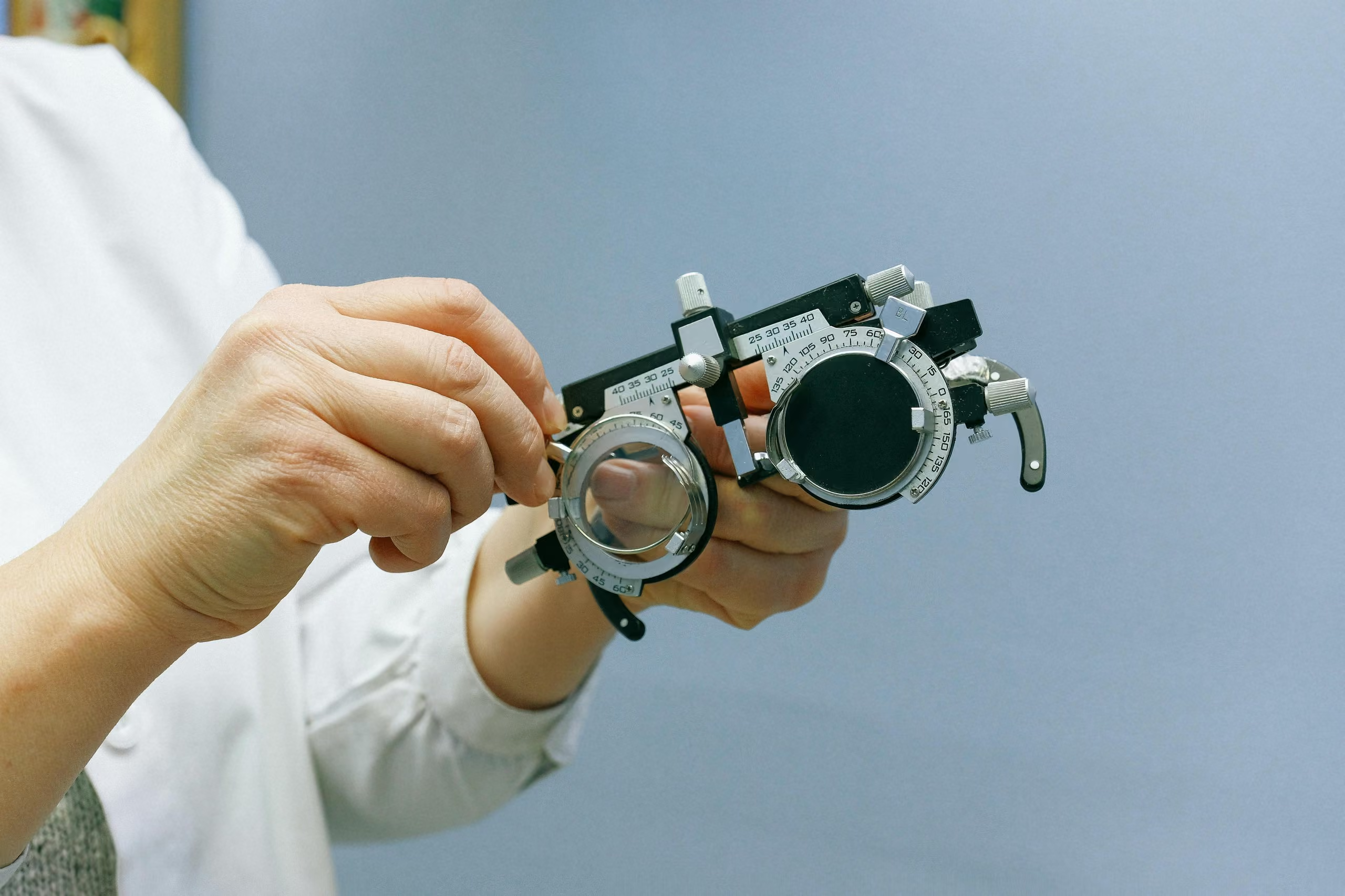
Myopia Management: A Major Advancement in Pediatric Care
One of the most important advancements in pediatric eye care is myopia control. This specialized treatment approach is designed to slow the progression of nearsightedness in children and support healthier long-term vision.
Ideal Candidates
Children with rapidly progressing nearsightedness, frequent prescription changes, high screen or near work use, a family history of high myopia, or those in early childhood through the teenage years when the eyes are still developing.
Benefits
Myopia Management slows the progression of myopia, support healthier long-term visual development, reduce the risk of future eye health complications, and potentially lessen the need for increasingly stronger prescriptions over time.
Frequently Asked Questions (FAQs)
Find answers to common questions about children’s eye exams, vision development, and how we support healthy eyesight at every stage of childhood.
Yes absolutely, while school screenings can be helpful, they only test a limited part of vision and may not detect issues like farsightedness, eye coordination problems, or early amblyopia. A comprehensive eye exam provides a complete evaluation of your child’s vision and eye health.
That's completely okay! Children do not need to know their alphabet to have a comprehensive eye exam. Our doctors are experienced in caring for patients of all ages and use age-appropriate testing methods designed for each child's developmental stage. Whether your child is very young or not yet letter-ready, we tailor the exam to accurately evaluate their vision, eye alignment, and overall eye health in a comfortable and engaging way.
Absolutely, vision problems can sometimes mimic or contribute to difficulties with reading, focus, and classroom performance. A comprehensive eye exam helps rule out vision-related causes.
Many vision insurance plans cover annual eye exams and glasses for children. Contact our office and we can help you understand your coverage and benefits.
Vision problems aren't always obvious. Children may not complain about blurry vision or realize their sight is different from others. A comprehensive eye exam can detect refractive errors, eye alignment issues, and other conditions that affect learning and development, even when a child shows no obvious symptoms.
Book Your Child’s Visit
Protect your child’s vision with a comprehensive eye exam designed to support healthy visual development at every stage.