

Diabetic Eye Exams
Diabetes can affect the health of your eyes before any changes in vision are noticed. A regular diabetic eye exam provides a careful evaluation of the back of the eye to detect early signs of damage and monitor for diabetic eye disease, allowing us to track changes over time and ensure timely treatment when needed.
Importance of Diabetic Eye Exams
Diabetes can affect the small blood vessels throughout the body, including those that supply the retina, the light-sensitive tissue responsible for vision. Many diabetes-related eye changes can develop slowly and may not cause noticeable symptoms until significant damage has occurred. A comprehensive diabetic eye exam allows our doctors to detect early changes, monitor eye health over time, and provide timely recommendations to help protect your vision
Benefits of Regular Diabetes Eye Exams include:
Early detection of diabetic eye disease by identifying changes before vision loss occurs
Monitoring retinal health to track changes and determine if treatment or additional care is needed
Detection of other eye conditions such as glaucoma, cataracts, or other vision concerns that may occur more frequently in individuals with diabetes
Advanced retinal imaging and technology to document the health of the retina and monitor changes over time
Personalized recommendations to support your eye health and overall diabetes management
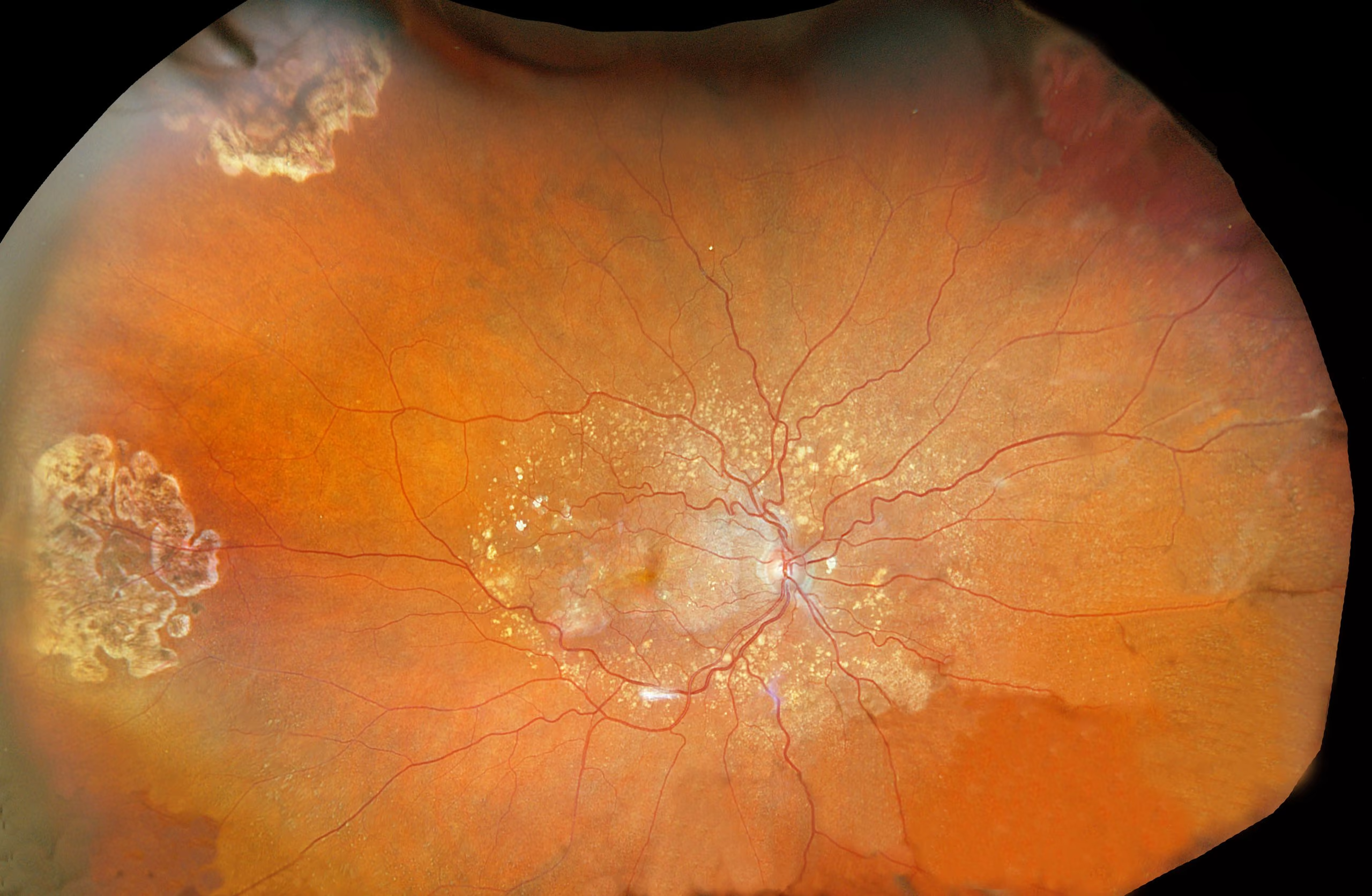
Patients Who Benefit from Diabetic Eye Exams
Type 1 & Type 2 Diabetes
Anyone diagnosed with diabetes should receive regular diabetic eye exams. Diabetes can affect the retina before vision changes occur, making routine monitoring essential for early detection and long-term eye health.
Prediabetes & Family History
Individuals with pre-diabetes or a strong family history of diabetes may be at increased risk of developing retinal diseases. Comprehensive eye exams can establish a baseline for eye health and help identify changes that warrant further medical evaluation.
Pregnant Patients with Diabetes
Pregnancy can increase the risk of diabetic eye disease progression in patients with pre-existing diabetes. Regular monitoring during pregnancy helps protect vision and ensures any retinal changes are detected promptly.
What Your Diabetic Eye Exam Can Detect
A diabetic eye exam includes a detailed evaluation of the retina and optic nerve to detect early changes associated with diabetes-related eye disease. Early identification of these conditions allows for timely monitoring and treatment when needed.

Diabetic macular edema (DME)
Swelling in the macula caused by fluid leakage from damaged blood vessels, which can blur central vision.

Cataracts
Clouding of the eye’s natural lens, which can develop earlier and progress faster in patients with diabetes, leading to blurry or hazy vision.

Diabetic Retinopathy
Condition where high blood sugar damages the blood vessels in the retina, potentially leading to vision loss if not detected and managed early.
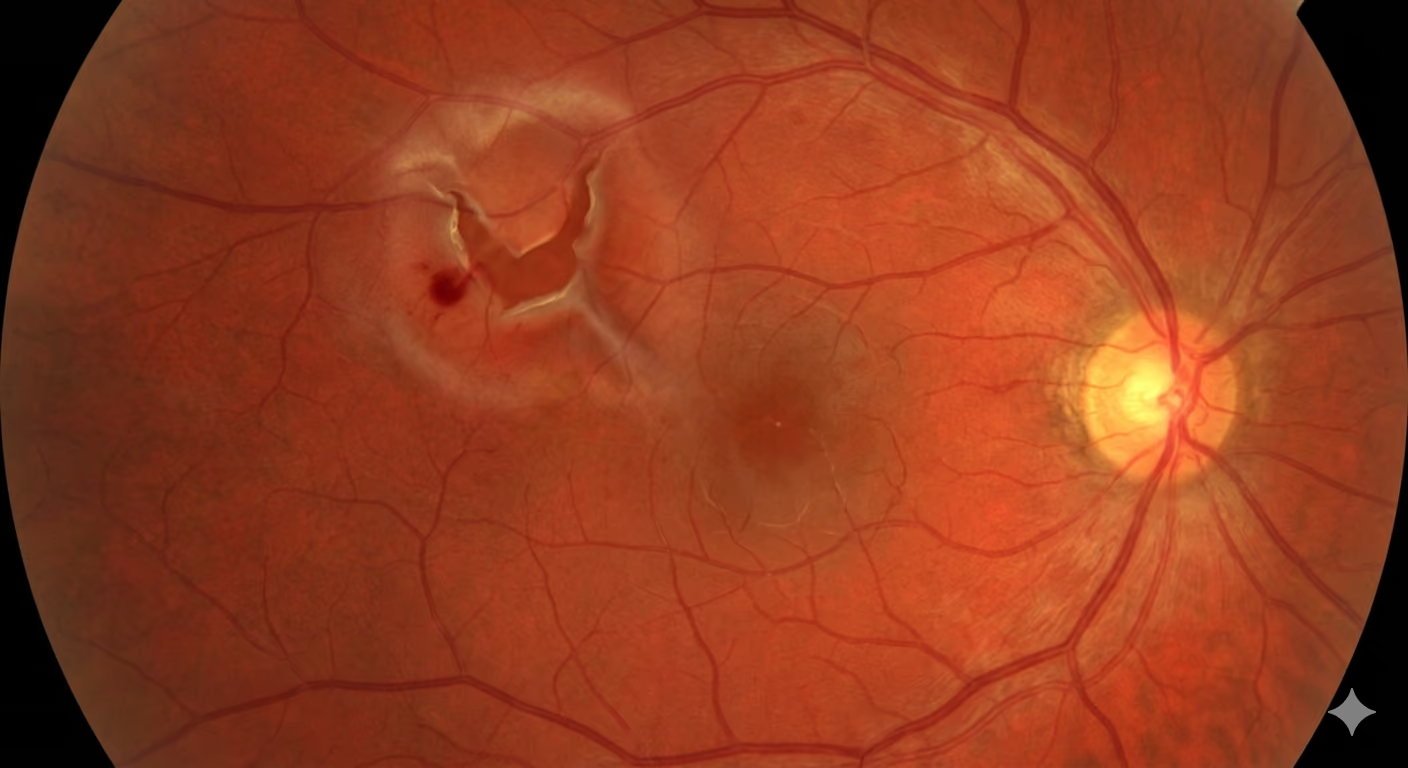
Retinal Blood Vessel Changes
Early structural changes in the retinal blood vessels caused by diabetes that may not affect vision initially but indicate increased risk of eye disease.
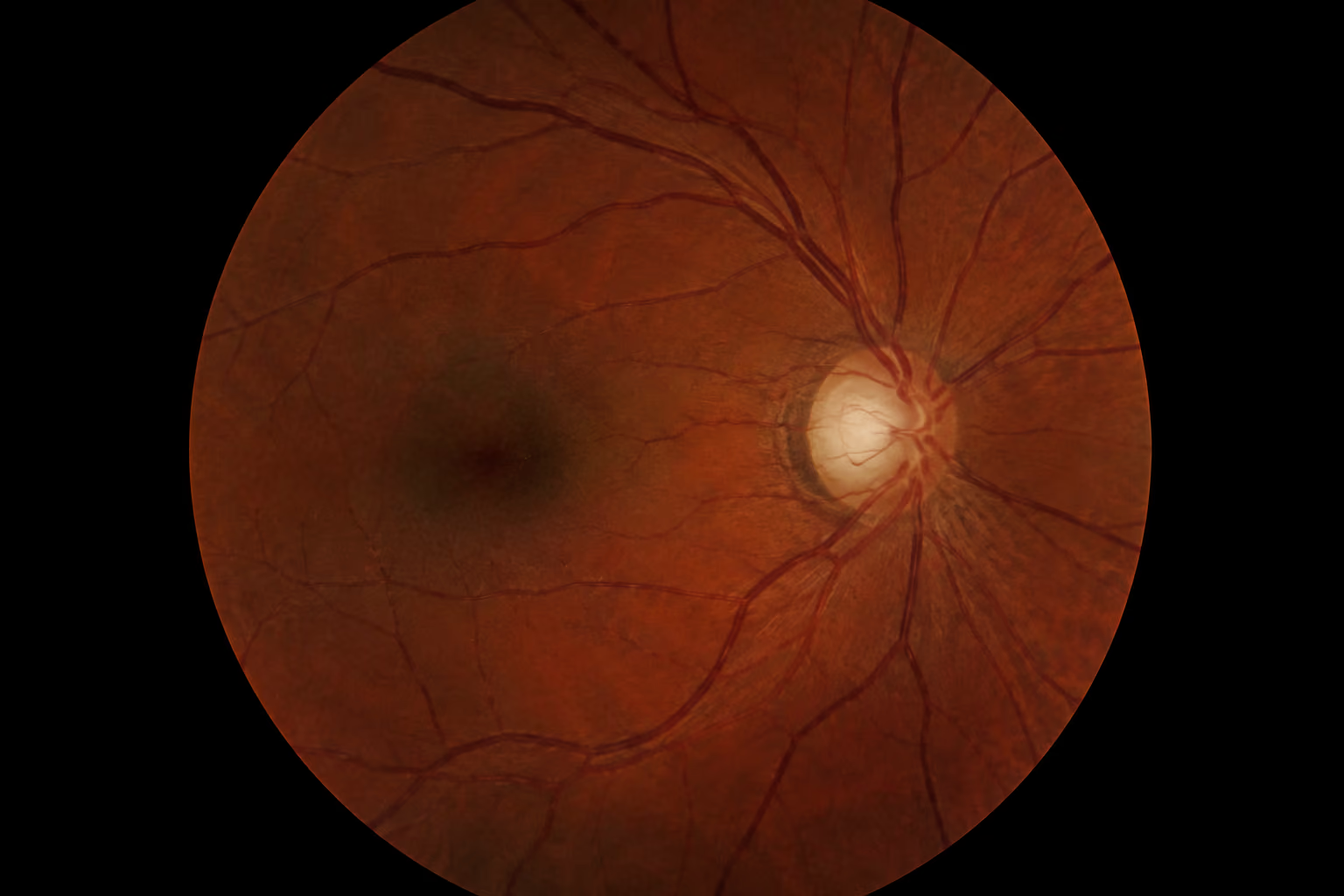
Glaucoma
Group of conditions that increase pressure inside the eye, damaging the optic nerve and gradually affect peripheral vision.

Macular Ischemia
Reduced blood flow to the macula due to damaged retinal vessels, which lead to decreased central vision and difficulty with detailed tasks.
Warning Signs of Diabetic Eye Disease
Diabetic eye disease can cause gradual changes in vision that often go unnoticed in the early stages. Understanding the warning signs can help with earlier detection and treatment.
Floaters, Dark Spots, or Flashes of Light
Small spots, shadows, strings, or flashes of light that appear in your vision may indicate changes inside the eye and should be evaluated.
Blurred or Changing Vision
Vision may become blurry, fluctuate throughout the day, or appear less clear than usual. Changes in blood sugar levels and diabetic eye disease can both affect visual clarity.
Difficulty Seeing in Low Light
Increased difficulty seeing at night, adjusting between light and dark environments, or navigating in dim lighting.
Changes in Color or Contrast
Colors may appear faded, washed out, or less vibrant. You may also notice reduced contrast when viewing objects or details.
Distorted or Missing Areas of Vision
Straight lines may appear bent, objects may look warped, or you may notice dark, empty, or missing areas in your field of vision.
Eye Pain, Pressure, or Sudden Vision Changes
Eye discomfort, pressure, a sudden decrease in vision, or a rapid change in your eyesight should be evaluated promptly.
Diabetic Eye Exam Process
A diabetic eye exam is designed to evaluate the health of your retina and detect early signs of diabetes-related eye disease. Here's what you can expect during your visit:
Medical History & Health Review
A diabetic eye exam begins with a detailed review of your overall health and diabetes history. The doctor will discuss your diabetes diagnosis, blood sugar control, medications, recent A1C levels, family eye history, and any changes in your vision or symptoms you may have noticed. This information helps guide the exam and allows the doctor to better evaluate your risk for diabetes-related eye complications.
Vision Assessment & Retinal Imaging
Your vision will be evaluated, followed by advanced retinal imaging to assess the health of your retina and optic nerve. We use technologies such as Optomap® to capture detailed images and identify early signs of diabetes-related eye disease. Depending on your findings, dilation may be recommended in addition to imaging to provide a more complete view of the retina and peripheral eye structures.
Comprehensive Retinal Evaluation
Using the information gathered during your exam, we carefully assess the retina for signs of diabetic retinopathy and other diabetes-related eye conditions. We compare your results to previous exams when available to monitor changes and track your eye health over time.
Results Review & Care Planning
After the examination, we'll discuss your findings, answer any questions, and recommend the appropriate follow-up care. If necessary, we'll coordinate with your primary care physician or endocrinologist and arrange referral to a retinal specialist for advanced treatment and management.
Frequently Asked Questions (FAQs)
Find answers to common questions about diabetic eye exams, including what to expect during your appointment and why regular screenings are important.
Most patients with diabetes should have a comprehensive diabetic eye exam at least once a year, as retinal disease can progress over time and may require close monitoring to protect vision. Depending on your eye health and whether diabetic eye disease is present, your doctor may recommend more frequent exams.
Diabetic eye disease often develops without noticeable symptoms in its early stages. In many cases, vision changes such as blurriness do not appear until damage is already present. Routine eye exams are essential for detecting early retinal changes and protecting long-term vision.
Early diabetic eye disease may improve with improved blood sugar control and careful monitoring. However, more advanced stages often require medical treatment to help prevent vision loss, highlighting the importance of early detection.
Retinal imaging uses advanced technology to capture detailed images of the retina and optic nerve. These images help detect early signs of diabetic eye disease and allow changes to be monitored over time.
Dilation is often recommended because it allows your doctor to thoroughly examine the retina and optic nerve. Depending on your eye health and imaging results, dilation may not be necessary at every visit.
Most patients with diabetes should have a comprehensive diabetic eye exam at least once a year, as retinal disease can progress over time and may require close monitoring to protect vision. Depending on your eye health and whether diabetic eye disease is present, your doctor may recommend more frequent exams.
Protect Your Vision Through Proactive Eye Care
A comprehensive diabetic eye exam provides the advanced screening and personalized care needed to help protect long-term vision.