

Protecting Growing Eyes with Myopia Control
Myopia, or nearsightedness, is becoming increasingly common in children and often worsens as they grow. While glasses can correct blurry distance vision, they do not address the underlying progression of myopia. Myopia control treatments are designed to slow the rate of progression, helping reduce the risk of future eye health complications associated with higher levels of myopia.
A Proactive Approach to Myopia
Myopia, commonly known as nearsightedness, occurs when the eye grows too long, causing distant objects to appear blurry. It often begins in childhood and typically progresses as children grow.
For many families, this means stronger prescriptions, thicker glasses, and frequent vision changes. However, myopia is more than just an inconvenience. As it progresses, it can increase the risk of developing serious eye conditions later in life, including retinal detachment, glaucoma, cataracts, and myopic macular degeneration.
The goal of myopia management is not to eliminate the need for glasses or contact lenses, but to slow the progression of myopia and reduce the long-term risks associated with higher levels of nearsightedness. By identifying and managing myopia early, we can help protect your child's vision and support lifelong eye health.
Slow Myopia Progression
Myopia often worsens as children grow, leading to stronger glasses or contact lens prescriptions over time. Myopia management uses evidence-based treatments to help slow this progression, reducing the rate at which nearsightedness increases during childhood.
Long-term eye health
Higher levels of myopia are associated with an increased risk of serious eye conditions later in life, including retinal detachment, glaucoma, cataracts, and myopic macular degeneration. Slowing myopia progression may help reduce these risks and support healthier eyes well into adulthood.
Quality of life benefits
Early intervention can make a meaningful difference in your child's future eye health. By managing myopia during the years when vision is changing the most, we can help preserve clearer, healthier vision and support your child through school, sports, and everyday life.
Ideal Candidates for Myopia Control
Early Onset Myopia
Children diagnosed with myopia at a young age are more likely to experience faster progression over time.
Frequent Prescription Changes
Glasses prescription keeps increasing from year to year or changes multiple times in a short period
Genetics
Children with one or both parents who are nearsighted have a higher likelihood of developing and progressing myopia.
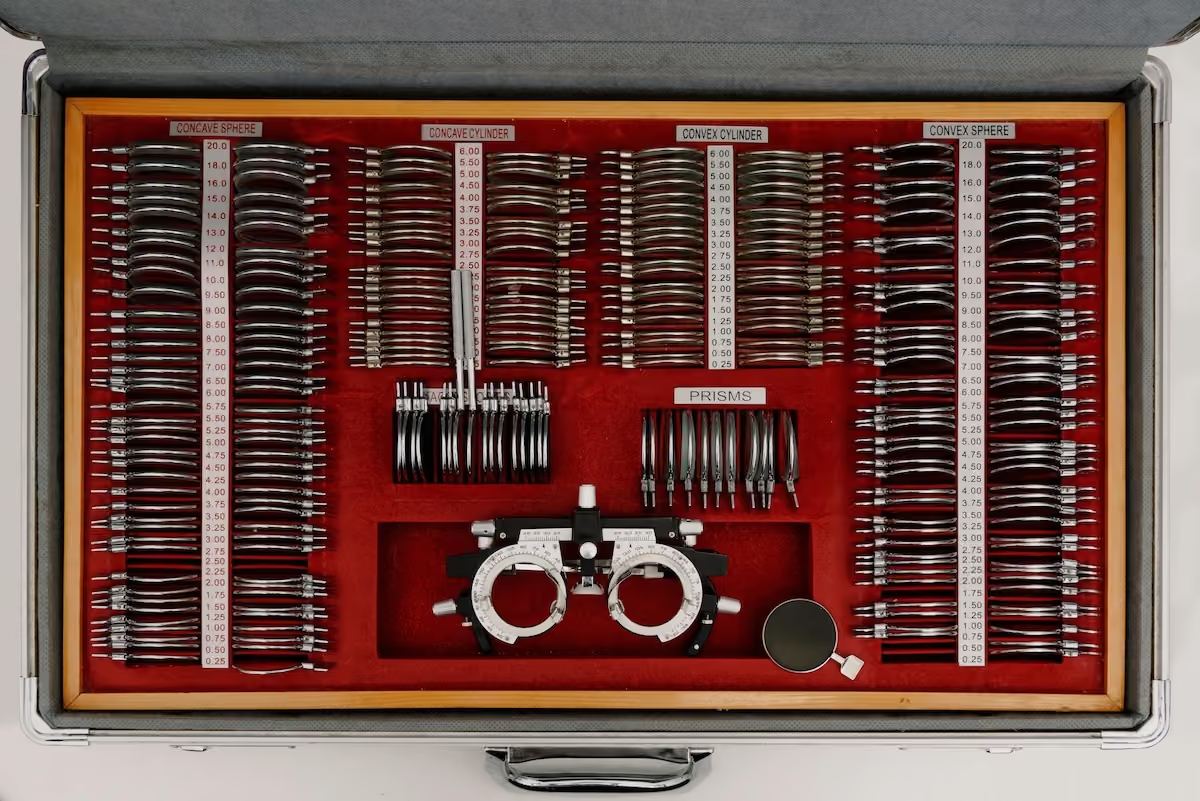
Limited Outdoor Time
Children who spend less time outdoors tend to have a higher risk of myopia progression compared to those with regular outdoor activity.
Increase Axial Length
Evidence of continued eye growth or elongation over time
High Visual Demands
Children who spend significant time on screens, reading, or doing close-up schoolwork with limited breaks may be at higher risk for progression.
Advanced Myopia Management Solutions
We carefully select and recommend the treatment method that best aligns with and supports your child's unique lifestyle and daily routine, all based on the strongest available scientific evidence and research findings.
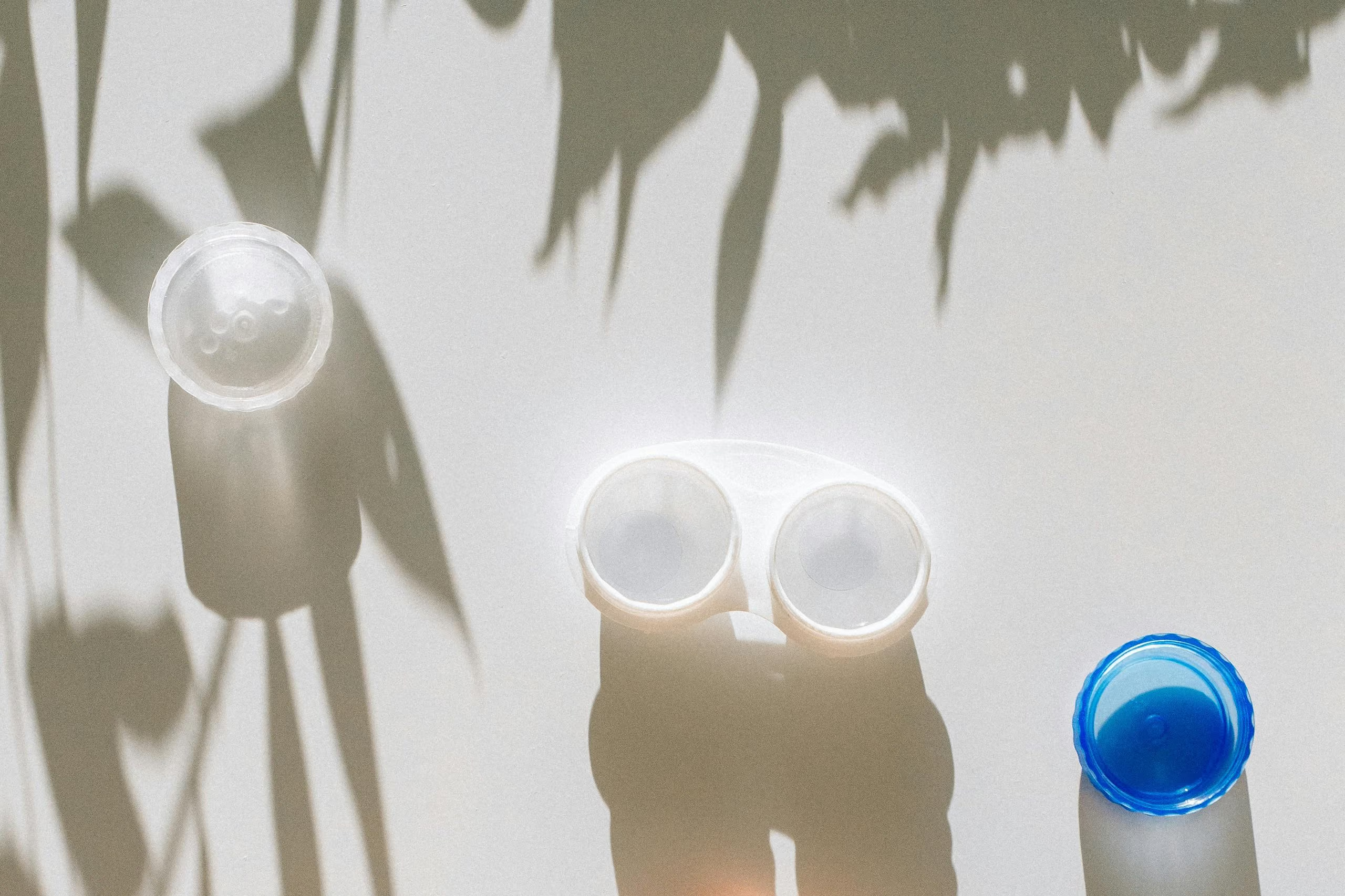
Soft Contact Lenses
Specially designed soft contact lenses for myopia control work differently than standard contacts. While they correct your child's vision normally, their unique lens design simultaneously sends signals to the eye to slow its growth. They're worn during the day and disposed of nightly, making them a comfortable, low-maintenance option for kids and teens ready for contact lens wear.

Orthokeratology (Ortho-K)
Orthokeratology or Ortho-K lenses are worn overnight while your child sleeps. They gently reshape the cornea so that when the lenses are removed in the morning, your child can see clearly all day without glasses or contacts. Beyond the convenience of glasses-free days, Ortho-K has strong clinical evidence for slowing myopia progression.
Atropine Eye Drops
Low-dose atropine drops are applied once at bedtime and work at a biological level to slow the elongation of the eye, which is the root cause of myopia progression. Simple, well-researched, and easy to incorporate into a nightly routine. They can also be combined with other myopia control options for children with faster progression.
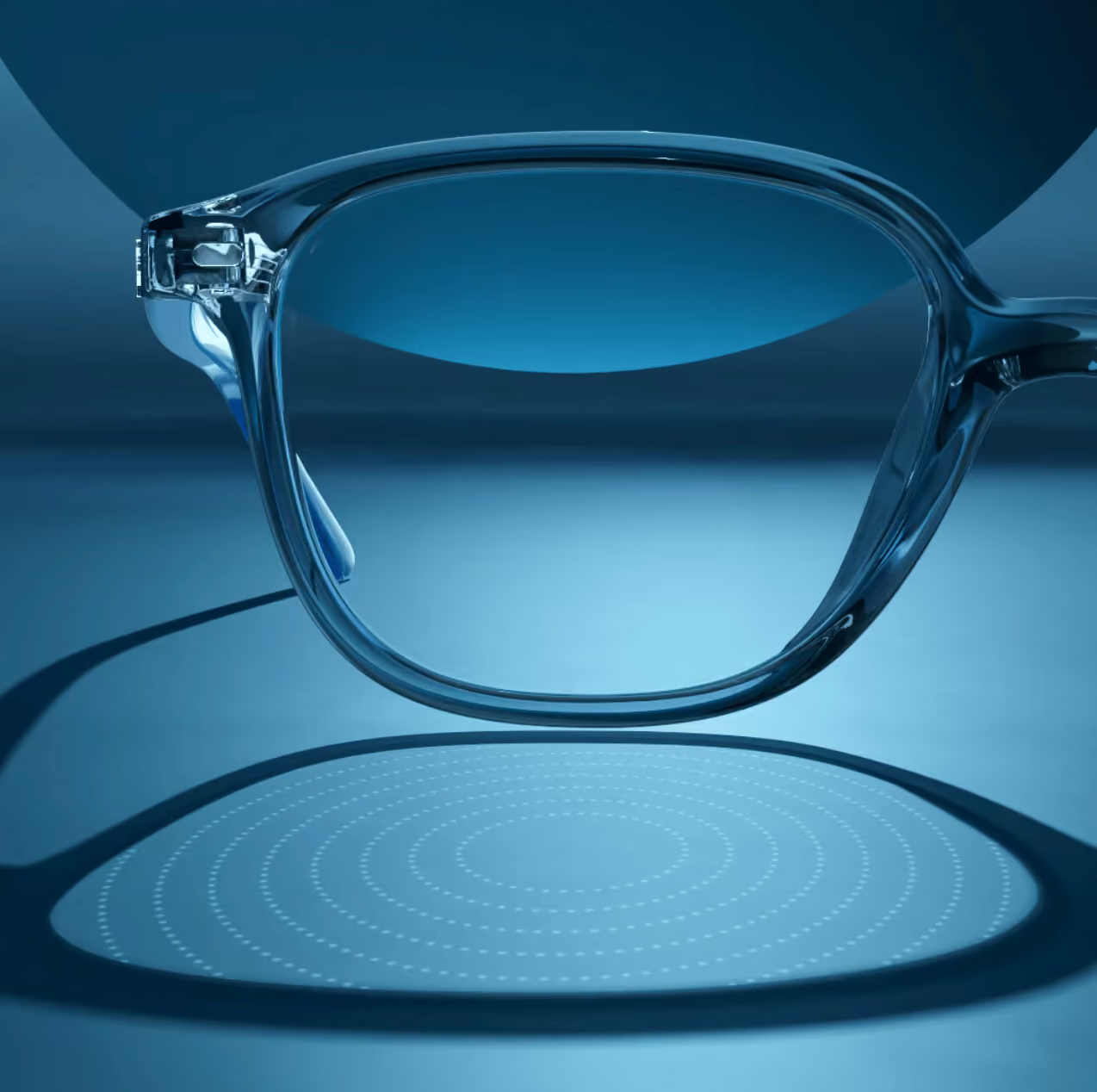
Stellest Lenses
Stellest lenses look like ordinary glasses but do far more than correct vision. Surrounding the standard prescription center are rings of tiny precision lenslets that work quietly in the background all day, signaling the eye to slow its growth. No drops, no contacts, no extra steps. Clinical studies show Stellest lenses reduce myopia progression by an average of 71% over two years.
Our Approach to Myopia Control
Myopia control isn’t something every eye doctor offers, and it’s rarely something that can be fully addressed in a short, routine appointment. At Silo Eye Care, we take a more comprehensive approach.
We spend dedicated time with you and your child reviewing their prescription history, clearly explaining your options without pressure, and creating a personalized plan to monitor and manage myopia over time. Our focus goes beyond the annual exam, we’re here to support your child’s vision as it develops for years to come.
Evidence-Based Treatment
We believe in providing care rooted in science. Every myopia management option we recommend is supported by peer-reviewed research and selected based on your child’s individual needs.
Ongoing Monitoring
Myopia management is a long-term commitment that evolves as your child grows. Regular follow-up visits allow us to monitor changes in vision, track treatment progress, and make adjustments when needed.
Honest Conversations
Not every child needs myopia control, and that’s okay. Our goal is to provide honest, personalized recommendations based on your child’s individual risk factors, eye health, and vision needs. If myopia management is not the right fit, we’ll be upfront about it and guide you toward the most appropriate care plan for your child.
Frequently Asked Questions (FAQs)
Find answers to common questions about myopia management, including treatment options and how these approaches help slow the progression of nearsightedness in children.
Myopia management uses specialized contact lenses or overnight treatments to slow the progression of nearsightedness in children. These methods work by gently reshaping the cornea or altering how light focuses on the eye, helping reduce the rate at which myopia worsens over time.
Of course, both daytime and overnight myopia management lenses have been extensively studied and proven safe when properly fitted and maintained. We will ensure your child receives thorough training in lens care and regular monitoring throughout treatment.
Every child responds differently, but many families see positive changes within the first few months. Because myopia control supports long-term eye development, we continue to monitor progress over time and adjust treatment as your child grows.
Myopia management slows progression rather than reversing existing nearsightedness. However, by controlling how quickly myopia worsens, your child may avoid higher prescriptions and related complications later in life.
If treatment is stopped, myopia may begin progressing at its usual rate again. For the best long-term results, we recommend continuing myopia management through the teenage years, when changes in vision tend to happen most quickly.
Coverage varies by insurance plan. Some components may be covered, but myopia control treatments are often considered specialty services. Our office can help review your benefits.
Support Your Child’s Eye Health
Learn how personalized myopia management can help support your child’s developing vision.