

Diabetic Retinopathy
Intro: Diabetic retinopathy is one of the most common eye complications of diabetes. It affects the retina and can lead to permanent vision loss if left untreated. Since early stages often have no symptoms, routine diabetic eye exams are one of the best ways to detect changes before vision is affected.
Understanding Diabetic Retinopathy
Diabetic Retinopathy is a diabetes-related eye condition that affects the blood vessels in the retina, the light-sensitive tissue at the back of the eye responsible for vision. Over time, high blood sugar levels can damage these vessels, leading to leakage, swelling, or abnormal vessel growth that can impact visual function. Since diabetic retinopathy often develops without noticeable symptoms in its early stages, routine comprehensive eye exams are essential for early detection, timely treatment, and prevention of vision loss.

Recognizing Diabetic Retinopathy
Diabetic retinopathy is a serious eye condition that may not cause noticeable symptoms in its early stages, which is why regular diabetic eye exams are essential for early detection and treatment. However, as the condition progresses, the following symptoms may begin to appear.
Blurred or Distorted Vision
Vision may become blurry, distorted, or difficult to focus.
Floaters
Small dark spots, specks, or thread-like shapes may drift across your field of vision.
Vision Loss
Gradual or sudden vision loss can occur as the disease advances.
Dark or Empty Areas in Vision
Blind spots or dark areas may develop, making it difficult to see parts of your visual field.
Fluctuating Vision
Vision may change from day to day, particularly when blood sugar levels are not well controlled.
Poor Night Vision
Seeing clearly in dim lighting or while driving at night may become more difficult.
Eye Pain or Redness
Although less common, advanced diabetic eye disease may cause eye pain, redness, or discomfort due to complications.
Progressive Vision Changes
Without treatment, vision may gradually worsen over time as diabetic retinopathy progresses.
Risk Factors for Diabetic Retinopathy
Control of Diabetes
The longer a person has diabetes and the less controlled their blood sugar levels are, the higher the risk of retinal damage.
Cardiovascular and Kidney Disease
Conditions such as high blood pressure, high cholesterol, and diabetic kidney disease can further damage blood vessels and increase the risk of retinal complications.
Smoking
Tobacco use can worsen vascular health and accelerate disease progression.
Age
The prevalence of Diabetic retinopathy increases with age increasing.
Family History and Ethnicity
A family history of diabetic eye disease and certain ethnic backgrounds, including African American, Hispanic, and Native American populations, are associated with a higher risk of developing diabetic retinopathy.
Pregnancy
Hormonal changes during pregnancy may increase the risk of diabetic eye changes.
Retinal Imaging Matters for Diabetes
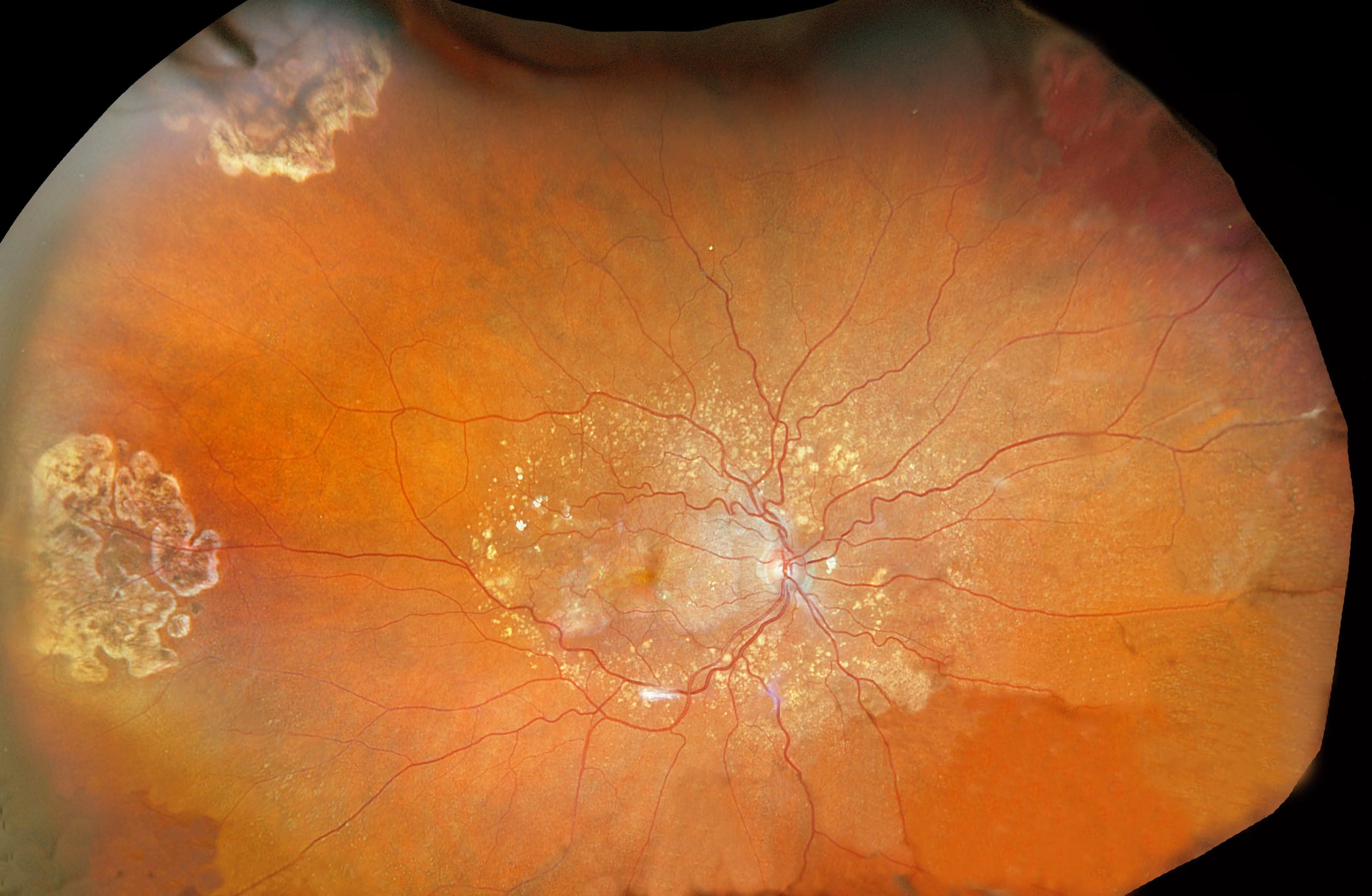
Advanced retinal imaging, including Optomap, plays an essential role in the early detection and management of diabetic retinopathy. Diabetes can damage the small blood vessels in the retina long before vision changes occur. Ultra-widefield retinal imaging captures detailed images of the retina, allowing subtle signs of bleeding, swelling, or abnormal blood vessel changes to be identified, documented, and monitored over time. When combined with a comprehensive diabetic eye exam, retinal imaging helps detect disease earlier, guide treatment decisions, and protect long-term vision.
Comprehensive Diabetic Retinopathy Evaluation
Diabetic eye exams involve a series of specialized tests designed to detect diabetic retinopathy and other diabetes-related eye complications before they affect your vision. Understanding what happens during your evaluation can help you feel more informed and confident while ensuring your eyes receive the comprehensive care they need.
Medical and Diabetes History
Your visit begins with a review of your medical history, diabetes diagnosis, blood sugar control, medications, family history, and any visual symptoms you may be experiencing. Your doctor may also discuss your most recent A1C levels and overall diabetes management. This information helps determine your risk for diabetic retinopathy and guides the rest of your examination.
Advanced Retinal Imaging
Advanced retinal imaging, including Optomap and fundus photography, is used to capture detailed images of the retina and retinal blood vessels. These images allow your doctor to identify signs of leakage, bleeding, swelling, abnormal blood vessels, or other retinal changes associated with diabetes. Imaging also provides a baseline record that can be compared over time to monitor for progression.
Comprehensive Dilated Eye Examination
A comprehensive eye examination is performed to evaluate the overall health of your eyes and visual system. Dilating drops may be used to widen the pupils, allowing your doctor to carefully examine the retina, macula, optic nerve, and retinal blood vessels. This detailed evaluation helps detect diabetic retinopathy, diabetic macular edema, and other sight-threatening complications at their earliest stages. Additional testing, including intraocular pressure measurement, may also be performed to screen for glaucoma and other eye diseases.
Personalized Monitoring and Management Plan
After reviewing all findings, your doctor will discuss the results with you and determine whether any signs of diabetic retinopathy or other diabetes-related eye complications are present. Based on your level of risk and retinal health, a personalized monitoring and management plan will be developed. This may include routine diabetic eye exams, more frequent monitoring, coordination with your primary care physician or endocrinologist, or referral to a retinal specialist if treatment is needed.
Frequently Asked Questions (FAQs)
Find answers to common questions about Diabetic Retinopathy and the personalized care available to help protect your vision.
Both Type 1 and Type 2 diabetes can cause diabetic retinopathy. Over time, elevated blood sugar can damage the small blood vessels in the retina, increasing the risk of vision loss. Because diabetic retinopathy often develops without noticeable symptoms, regular diabetic eye exams are essential for early detection and timely treatment, regardless of the type of diabetes.
If left untreated, diabetic retinopathy can progress to advanced stages and result in severe vision loss or blindness. Complications such as diabetic macular edema, retinal bleeding, abnormal blood vessel growth, and retinal detachment can significantly threaten vision. Fortunately, with regular eye exams, early diagnosis, and timely treatment, the risk of severe vision loss can often be greatly reduced.
Treatment depends on the severity of the disease and the extent of retinal damage. In early stages, careful monitoring and improved control of blood sugar, blood pressure, and cholesterol may be recommended. More advanced cases may require retinal laser treatment, injectable medications to reduce swelling and abnormal blood vessel growth, or surgical procedures performed by a retinal specialist. The goal of treatment is to slow progression, preserve vision, and reduce the risk of future complications.
Most individuals with diabetes should have a comprehensive diabetic eye exam at least once every year. However, the recommended frequency may vary depending on factors such as the duration of diabetes, blood sugar control, the presence of diabetic retinopathy, and other health conditions. Patients with existing retinal changes may require more frequent monitoring to ensure any progression is detected and managed promptly.
Absolutely! Many patients with diabetic retinopathy have no symptoms and maintain normal vision during the early stages of the disease. However, retinal damage can still be occurring without your awareness. A comprehensive diabetic eye exam allows your doctor to identify subtle retinal changes before they affect your vision, helping to prevent more serious complications and vision loss.
Your Vision Deserves Proactive Care
Regular diabetic eye exams help monitor retinal health, identify diabetic eye disease early, and support lifelong vision through personalized care.