

Eye Allergies
Allergic Conjunctivitis or Eye Allergies is an allergic reaction affecting the conjunctiva, a thin layer covering the white part of the eye. A detailed eye examination helps differentiate allergies from other conditions such as dry eye or infection and allows for targeted treatment based on the underlying cause.
Common Symptoms of Eye Allergies
Allergic eye disease affects everyone differently, but many symptoms are easy to recognize. If you experience any of the following, a comprehensive eye examination can help determine whether allergies are the cause and identify the most effective treatment.
Itchy Eyes
The hallmark symptom of eye allergies and often the first sign patients notice.
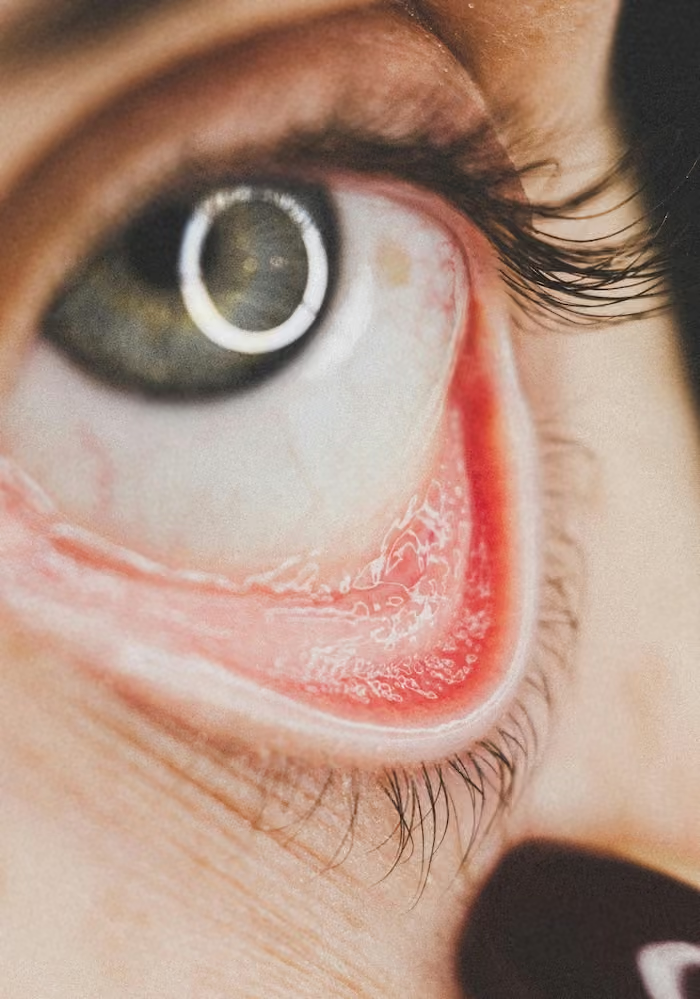
Red or Irritated Eyes
Inflammation causes the whites of the eyes to appear red, bloodshot, or irritated.
Excessive Tearing
Reflex tearing commonly occurs as the eyes respond to allergens and irritation.
Swollen or Puffy Eyelids
Allergic inflammation can cause the eyelids to become swollen, especially after rubbing the eyes.
Burning or Gritty Sensation
A burning, stinging, or sandy sensation may occur, even when nothing is in the eye.
Light Sensitivity
Inflamed eyes may become more sensitive to bright lights or sunlight.
Stringy or Watery Discharge
Allergies often produce a clear, watery, or stringy mucus discharge rather than the thick discharge seen with infections.
Blurred Vision that Improves with Blinking
Excess tearing or an unstable tear film can temporarily blur vision, which often clears after blinking.
Common Causes and Triggers
Identifying the source of allergic eye symptoms is an important step toward lasting relief. A comprehensive evaluation helps determine which environmental or lifestyle factors may be contributing to irritation so treatment can be tailored to reduce symptoms and prevent future flare-ups.
Pollen
Dust Mites
Mold Spores
Smoke or Air Pollutant
Pet Dander
Contact Lens irritation
Cosmetic or Skincare Products
Environmental Ssources
Personalized Eye Allergies Plan
A detailed eye allergy evaluation helps confirm whether symptoms are caused by allergic conjunctivitis or another underlying condition such as dry eye disease or infection. The goal is to identify triggers, assess the severity of inflammation, and guide appropriate treatment.
Review of Symptoms and Environmental Triggers
A thorough review of symptoms, medical history, and environmental exposures helps identify potential allergy triggers. Seasonal patterns, pet exposure, dust, mold, cosmetics, contact lens wear, and other contributing factors are evaluated to better understand the source of irritation.
Examination of the Eye’s Surface and Eyelids
A detailed examination of the eyelids, conjunctiva, cornea, and tear film evaluates signs of redness, swelling, inflammation, and irritation. The examination also helps distinguish allergic conjunctivitis from conditions with similar symptoms, including dry eye disease, blepharitis, and eye infections.
Personalized Treatment Recommendations
Based on the examination findings, a personalized treatment plan is developed to relieve symptoms and reduce inflammation. Treatment may include prescription or over-the-counter allergy eye drops, artificial tears, cold compresses, environmental modifications, or strategies to minimize allergen exposure.
Additional Steps When Appropriate
If symptoms are persistent, severe, or not responding to treatment, additional diagnostic testing may be recommended to further evaluate tear function, ocular surface health, or inflammatory markers. These findings help refine the diagnosis and guide long-term management.
Frequently Asked Questions (FAQs)
Explore answers to frequently asked questions about eye allergies and personalized treatment options.
Contact lenses can trap allergens such as pollen, dust, and pet dander against the surface of the eye, making symptoms worse. Allergy sufferers may benefit from daily disposable lenses, changes in lens care products, or prescription allergy treatments. During your exam, we can recommend strategies to help you stay comfortable while wearing contacts.
Eye allergies typically cause itching, redness, watering, and swelling in both eyes. Symptoms often occur seasonally or after exposure to allergens such as pollen, pets, or dust. Eye infections, on the other hand, are more likely to cause pain, thick discharge, crusting, or symptoms that begin in one eye. If you're unsure, an eye exam can help determine the cause and ensure you receive the appropriate treatment.
Most eye allergies are not dangerous, but chronic inflammation and frequent eye rubbing can irritate the surface of the eye and lead to ongoing discomfort. In some cases, severe allergies may affect the cornea or contribute to other eye health concerns. Proper treatment can help protect the health of your eyes while improving comfort and vision.
Over-the-counter eye drops can provide temporary relief from mild eye allergy symptoms, but they may not address the underlying cause of the irritation. If your symptoms are persistent, severe, or keep returning, prescription allergy eye drops and a personalized treatment plan may provide longer-lasting relief. An eye care professional can evaluate your symptoms, identify potential allergy triggers, and recommend the most effective treatment to help keep your eyes comfortable and healthy.**
Eye allergies are common in children and often cause itchy, watery, red eyes. Many children frequently rub their eyes without realizing it, which can make symptoms worse. A comprehensive eye exam can help determine whether allergies are the cause and identify the most effective treatment options.
Yes. Eye allergies can cause temporary blurry vision due to inflammation, excessive tearing, and irritation of the eye's surface. In most cases, vision clears as allergy symptoms improve or with appropriate treatment. However, persistent blurry vision, severe eye pain, increased light sensitivity, or sudden vision changes are not typical of eye allergies and should be evaluated by an eye care professional as soon as possible. A comprehensive eye exam can help determine whether your symptoms are caused by allergies or another eye condition that requires treatment.
Stop Suffering From Eye Allergies
Eye allergies don't have to be a part of everyday life. Let a comprehensive evaluation uncover the cause of symptoms and create a treatment plan designed for long-term comfort.