

Why Annual Eye Exams Matter, Even If Your Vision Seems Fine
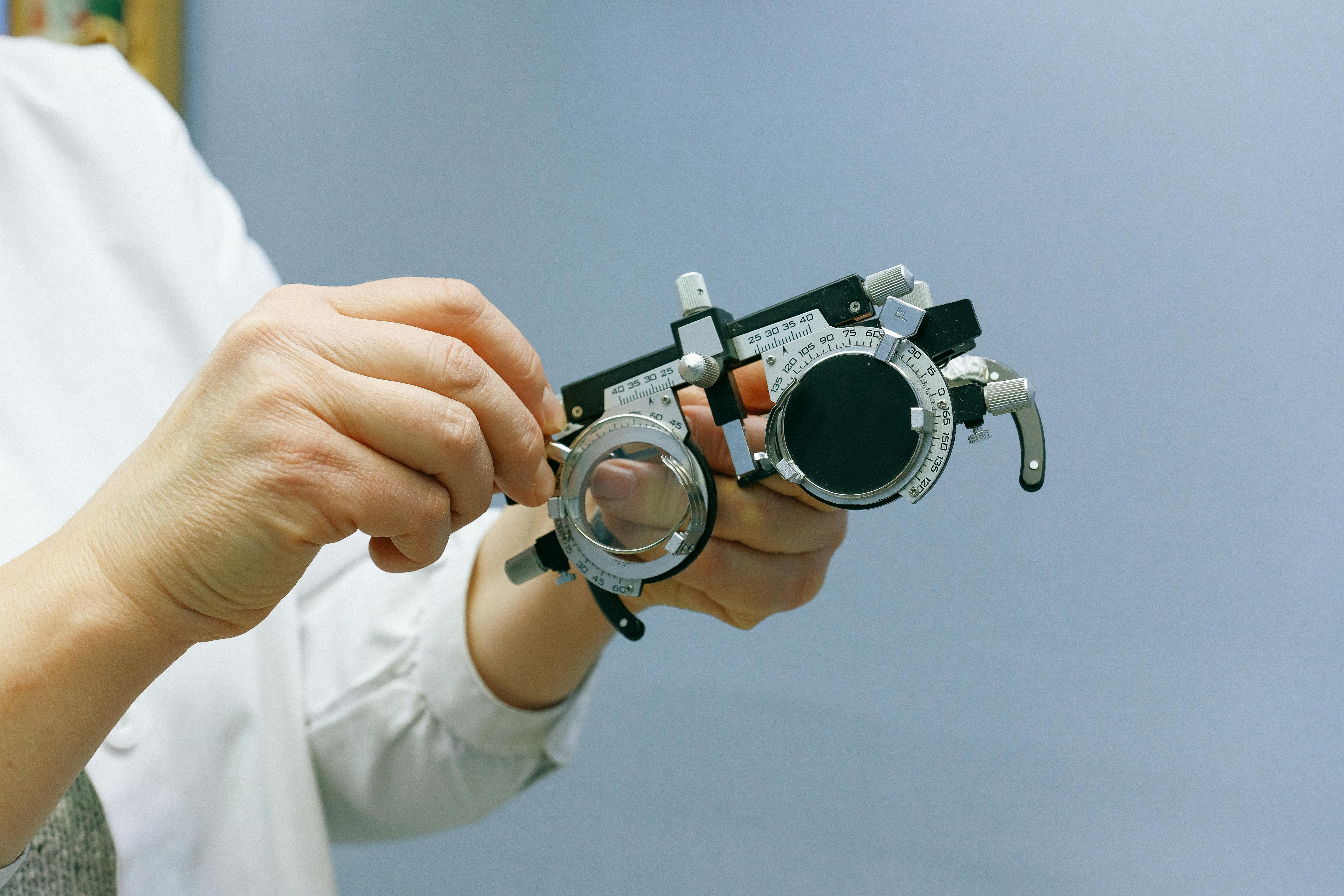
If you can see clearly, it's easy to assume your eyes are healthy.
In reality, clear vision is only one part of the picture. A comprehensive eye exam evaluates much more than your prescription. It gives your optometrist the opportunity to monitor the health of your eyes, detect subtle changes over time, and identify conditions that often develop long before they affect your vision.
Many of the most common eye diseases have no noticeable symptoms in their early stages. That's why annual eye exams remain one of the most important parts of protecting your long-term vision.
An Eye Exam Is About More Than Updating Your Glasses
One of the biggest misconceptions about eye exams is that they're only necessary when your glasses stop working.
While updating your prescription is certainly important, it's only a small part of what happens during a comprehensive eye exam. Every visit allows your optometrist to evaluate the health of the retina, optic nerve, cornea, and other structures inside the eye. Comparing these findings from year to year makes it easier to recognize small changes that could otherwise go unnoticed.
Think of it as preventive care for your vision. The goal isn't simply to help you see better today, but it's to help keep your eyes healthy for years to come.
Many Eye Diseases Develop Quietly
One reason routine eye exams are so valuable is that many eye conditions don't cause symptoms until they've already progressed.
Diseases such as glaucoma, diabetic retinopathy, and macular degeneration often begin without pain or changes in vision. By the time blurry vision becomes noticeable, some damage may already be permanent.
Routine examinations allow these conditions to be detected much earlier, when treatment is often more effective and the chances of preserving vision are significantly higher.
Your Eyes Can Reveal Clues About Your Overall Health
The eyes are one of the few places in the body where blood vessels and nerves can be viewed directly without surgery.
During a comprehensive eye exam, your optometrist may notice changes that suggest an underlying health condition such as diabetes, high blood pressure, or high cholesterol. While an eye exam isn't intended to replace your primary care physician, it can provide important information that leads to earlier medical evaluation when something doesn't appear normal.
Vision Changes Gradually
Most people don't wake up one morning with dramatically worse eyesight. Vision typically changes little by little, making it surprisingly easy to adapt without realizing it. You may find yourself holding your phone farther away, squinting while driving at night, or feeling more tired after a day in front of the computer. These changes often happen so gradually that they become your new normal.
Annual eye exams help identify these subtle shifts before they begin affecting your comfort, productivity, or quality of life.
Every Stage of Life Brings Different Eye Care Needs
Your eyes change throughout your lifetime, which means your eye care needs change too. Annual eye exams provide the opportunity to monitor those changes and address concerns before they begin affecting your vision or daily life.
For children, healthy vision is essential for learning, reading, sports, and overall development. Many vision problems, including nearsightedness, focusing difficulties, and eye coordination issues, can go unnoticed because children often assume everyone sees the way they do. Routine eye exams help detect these issues early, when treatment can have the greatest impact on visual development and academic success.
For adults, annual eye exams help keep vision clear while monitoring for changes related to screen use, dry eye disease, contact lens wear, and everyday visual demands. As careers, hobbies, and lifestyles evolve, regular exams ensure your eyes continue to support the activities that matter most.
For older adults, routine eye care becomes increasingly important as the risk of age-related eye diseases naturally rises. Conditions such as cataracts, glaucoma, and macular degeneration become more common with age and often develop gradually without noticeable symptoms. Yearly comprehensive eye exams allow these conditions to be detected earlier, helping preserve vision, maintain independence, and support a higher quality of life.
No matter your age, routine eye exams provide a valuable opportunity to protect your vision before problems become more difficult to treat.
Technology Helps Detect Problems Earlier
Modern eye exams offer far more than a vision chart.Advanced diagnostic technology allows detailed images of the retina and other structures inside the eye to be captured and compared over time. These tools can reveal subtle changes that may not be visible during a routine examination alone, supporting earlier diagnosis and more personalized treatment when needed.
For many patients, these images also make it easier to understand their eye health by allowing them to see exactly what their optometrist is evaluating.
Don't Wait for Symptoms
One of the most common reasons people postpone an eye exam is simple: they don't think anything is wrong.Unfortunately, eye disease doesn't always announce itself with blurry vision or discomfort. In many cases, the earliest stages are completely silent.
Scheduling a comprehensive eye exam every year gives your optometrist the opportunity to identify problems before they become noticeable, update your vision as your eyes change, and help protect one of your most valuable senses.
Healthy vision isn't just about seeing clearly today. It's about preserving the ability to see well for the years ahead.

What matters for your vision
Learn what keeps your eyes healthy and strong


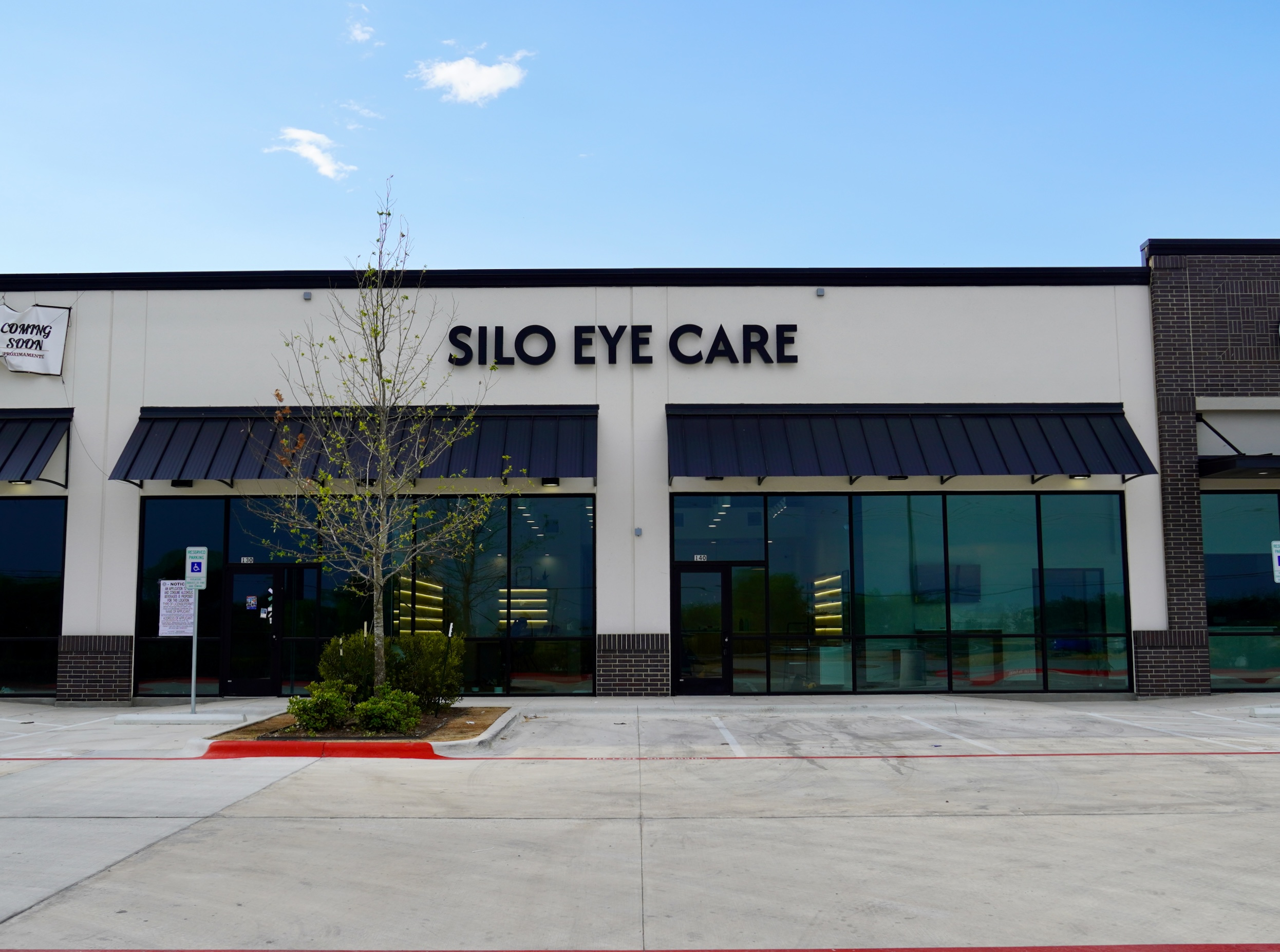
Schedule your eye exam today
Book an appointment with Dr. Patel and experience personalized eye care in Round Rock