

Why Myopia Management Matters: It's About More Than Stronger Glasses
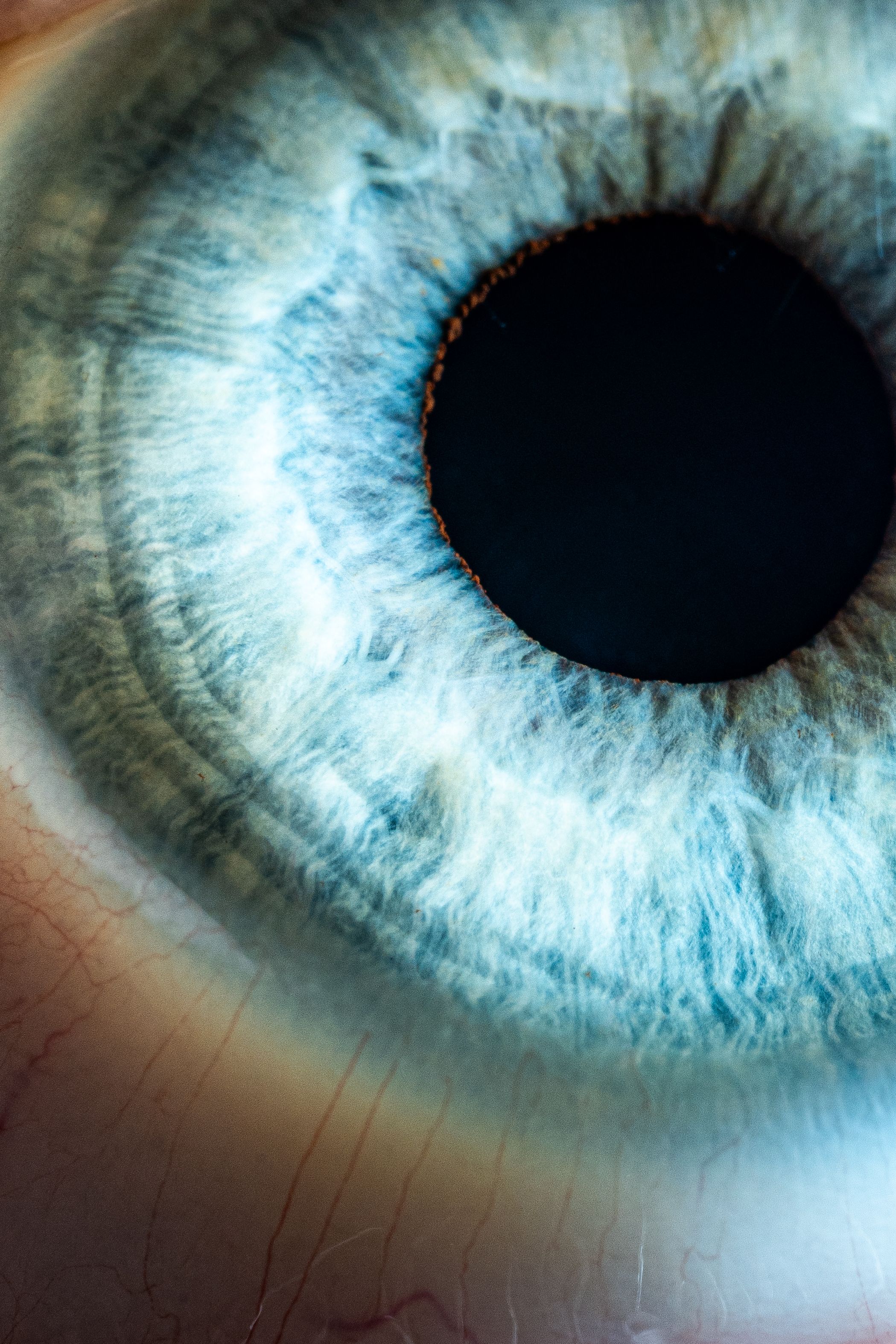
It's becoming more common for children to need glasses at a younger age. While many parents assume nearsightedness is simply an inconvenience that can be corrected with lenses, the reality is more complex.
Myopia, or nearsightedness, is a progressive eye condition. As it worsens, the eye grows longer than normal, increasing the risk of developing serious eye diseases later in life. Traditional glasses and contact lenses help children see clearly, but they don't slow the progression of myopia.
That's where myopia management comes in.
What Is Myopia?
Myopia causes distant objects to appear blurry while close-up vision remains clear. It develops when the eye becomes too long from front to back, causing light to focus in front of the retina instead of directly on it.
Many children begin developing myopia during elementary school, and it often continues progressing throughout the teenage years.
Over time, stronger and stronger glasses may seem like a normal part of growing up. However, increasing prescriptions often reflect continued elongation of the eye—not just changes in vision.
Why Does Progressive Myopia Matter?
The concern isn't simply needing thicker glasses.
Higher levels of myopia are associated with a greater lifetime risk of developing eye conditions that can threaten vision, including:
- Retinal tears and retinal detachment
- Glaucoma
- Myopic macular degeneration
- Early cataracts
The longer the eye becomes, the greater these risks may be. Slowing that growth during childhood can help reduce the likelihood of developing these complications later in life.
The goal of myopia management isn't necessarily to stop myopia completely. It's to slow its progression while the eyes are still developing.
Why Early Treatment Makes a Difference
Childhood is the best time to begin myopia management.
The younger a child becomes nearsighted, the more years myopia has to progress. Starting treatment early often provides the greatest opportunity to slow that progression before prescriptions become significantly stronger.
Waiting until vision changes rapidly may mean missing valuable time when treatment could have had a greater effect.
Regular comprehensive eye exams allow subtle changes in vision to be detected early, giving families more options for treatment.
Myopia Management Is Different From Regular Glasses
Traditional glasses correct blurry vision, but they don't address the underlying progression of myopia.
Myopia management focuses on slowing the eye's growth using evidence-based treatment options that are tailored to each child.
Depending on a child's age, prescription, eye health, and lifestyle, treatment may include:
- Orthokeratology (Ortho-K) lenses worn overnight
- Multifocal soft contact lenses
- Low-dose atropine eye drops
- Lifestyle recommendations, including increased outdoor time and healthy visual habits
Every child is different, which is why a personalized treatment plan is important.
More Time Outdoors Can Make a Difference
Research has shown that children who spend more time outdoors are less likely to develop myopia and may experience slower progression once it begins.
While outdoor activities alone cannot reverse nearsightedness, encouraging children to spend time outside, take breaks during prolonged near work, and maintain healthy screen habits may complement other myopia management treatments.
These simple lifestyle changes can become an important part of protecting long-term eye health.
How Parents Can Recognize the Signs of Myopia
Many children don't realize their vision has changed, making routine eye exams especially important.
Signs that may suggest a child is becoming nearsighted include:
- Squinting to see distant objects
- Sitting very close to the television
- Holding books or tablets unusually close
- Difficulty seeing the classroom board
- Frequent headaches
- Complaints of blurry distance vision
- Declining interest in school or sports that require clear distance vision
Even without obvious symptoms, annual eye exams remain the best way to detect myopia in its earliest stages.
The Long-Term Goal Is Healthier Eyes
One of the biggest misconceptions about myopia management is that it's only about reducing a child's dependence on glasses.
The bigger goal is protecting the health of the eye over a lifetime.
Slowing the progression of myopia may reduce the risk of future eye disease, preserve healthy vision, and help children maintain better visual function as they grow into adulthood.
Looking Beyond Today's Prescription
Children's eyes grow and change quickly, which makes regular monitoring an essential part of myopia management.
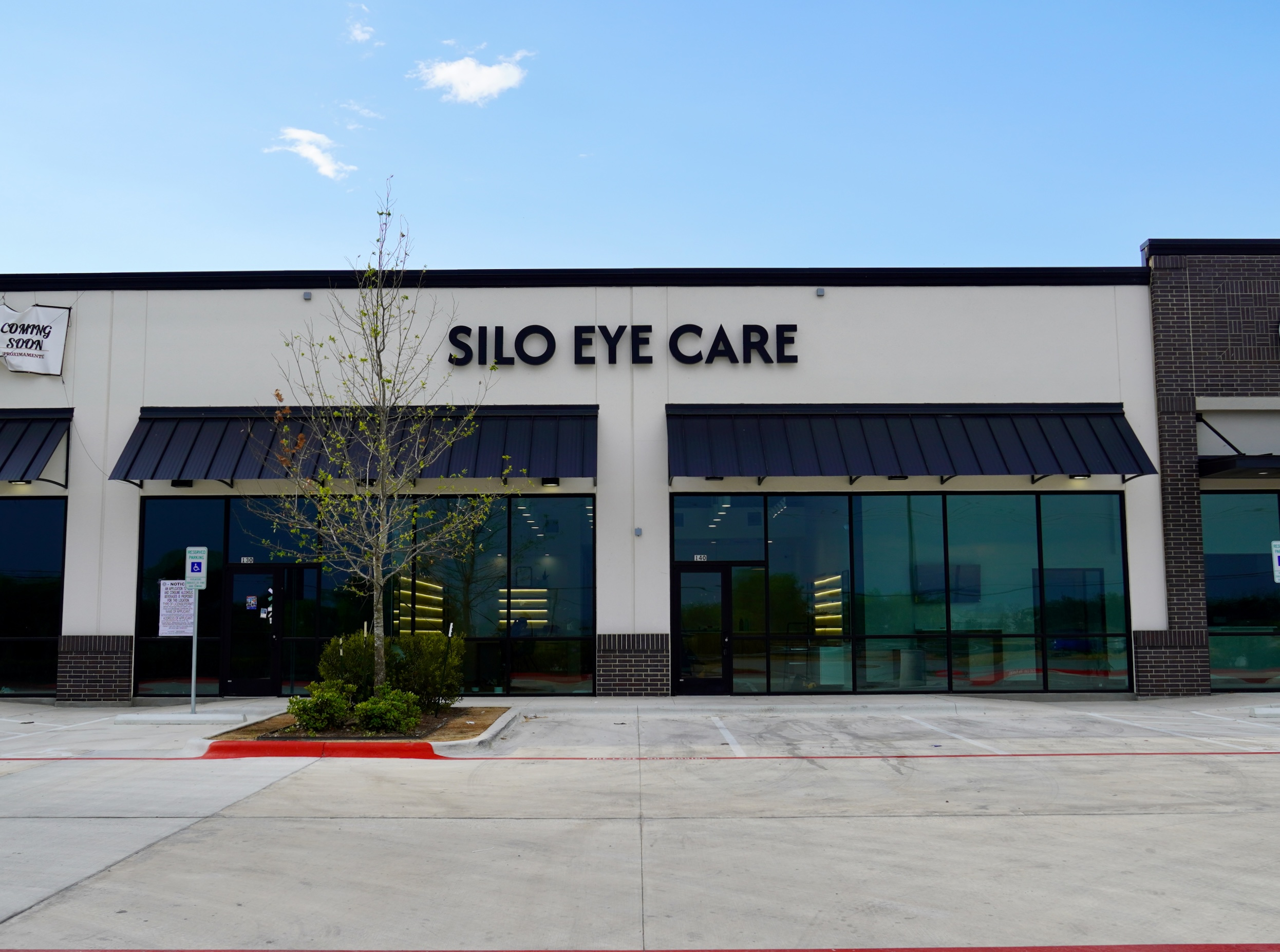
At Silo Eye Care, myopia management begins with understanding each child's unique visual needs, lifestyle, and risk factors. Using advanced diagnostic technology and evidence-based treatment options, personalized care is designed to slow the progression of myopia while supporting healthy vision for years to come.
Taking action early can make a meaningful difference, not only in how clearly a child sees today, but in the lifelong health of their eyes.

What matters for your vision
Learn what keeps your eyes healthy and strong


Schedule your eye exam today
Book an appointment with Dr. Patel and experience personalized eye care in Round Rock